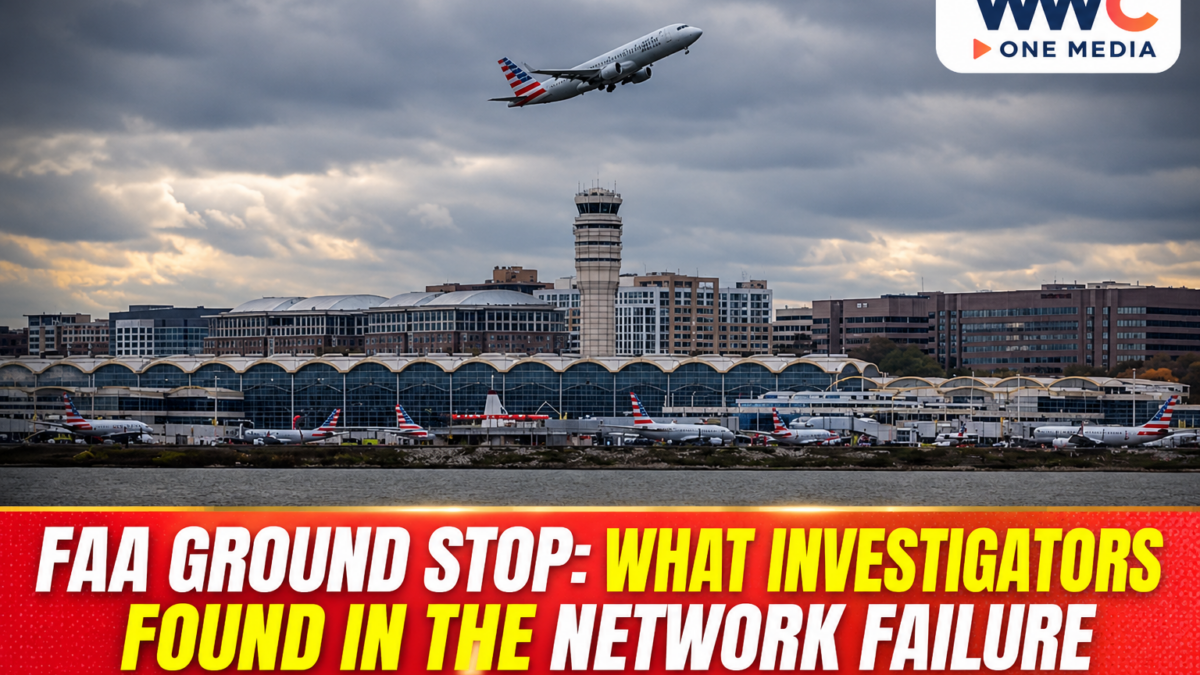
FAA Identifies Network Instability at 17 Control Centres
The Federal Aviation Administration has provided a more detailed account of the telecommunications problem behind the Nov. 13 nationwide ground stop, identifying instability at 17 of the country’s 22 Air Route Traffic Control Centers.
In its Nov. 15 explanation, the agency said the problem involved its legacy telecommunications equipment. Data began flooding its FAA Telecommunications Infrastructure network at a rate of approximately 1,000 connection attempts every four to five seconds, disrupting aircraft communications and radar feeds.
The agency identified two potential locations associated with the excessive data traffic: a radar site in Amarillo, Texas, and a radio communications site in El Dorado, Arkansas.
The El Dorado location was undergoing work by L3Harris, the FAA’s network service provider. The contractor had been deploying a new router as part of telecommunications work.
The FAA said the two locations were blocked and the broadcasting function on new routers was disabled as a precaution. It also disabled the same functionality on approximately 60 similar routers elsewhere in the network.
These measures helped stabilise the system, but the agency said its investigation with L3Harris was continuing.
What the Investigation Has Not Established
The contractor’s involvement should not be confused with a finding of responsibility.
The Transportation Department’s Nov. 14 briefing said investigators were examining whether the problem involved user error, installation error or a faulty router. Officials had not determined which explanation was correct.
The FAA also said that, based on the available evidence, it had no indication that the incident was caused by a cyberattack or an outside malicious actor.
That distinction matters because a technical failure, a maintenance error and a deliberate attack are different findings. The public record does not yet establish which specific technical fault caused the network instability.
Why the Precautionary Measures Matter
The incident illustrates how a problem affecting telecommunications infrastructure can require action across a much wider aviation network.
The FAA said certain radio frequencies and radar feeds remained operational throughout the disruption. It reported that aircraft were tracked and communicated with under established safety procedures, and that every aircraft landed safely.
The agency’s explanation also separates the incident from its broader modernisation programme. It attributed the instability to legacy equipment and said the newer upgraded towers were not affected.
For the aviation industry, the central issue is now whether the investigation can identify the precise failure mechanism and demonstrate that the safeguards introduced will prevent a similar disruption.
What Happens Next
The FAA and L3Harris continue to investigate the network inconsistencies. The agency has not announced a final root-cause finding or established fault against the contractor.
The next important public update should clarify the technical cause, the effectiveness of the router precautions and whether further changes to maintenance procedures or network safeguards will be required.