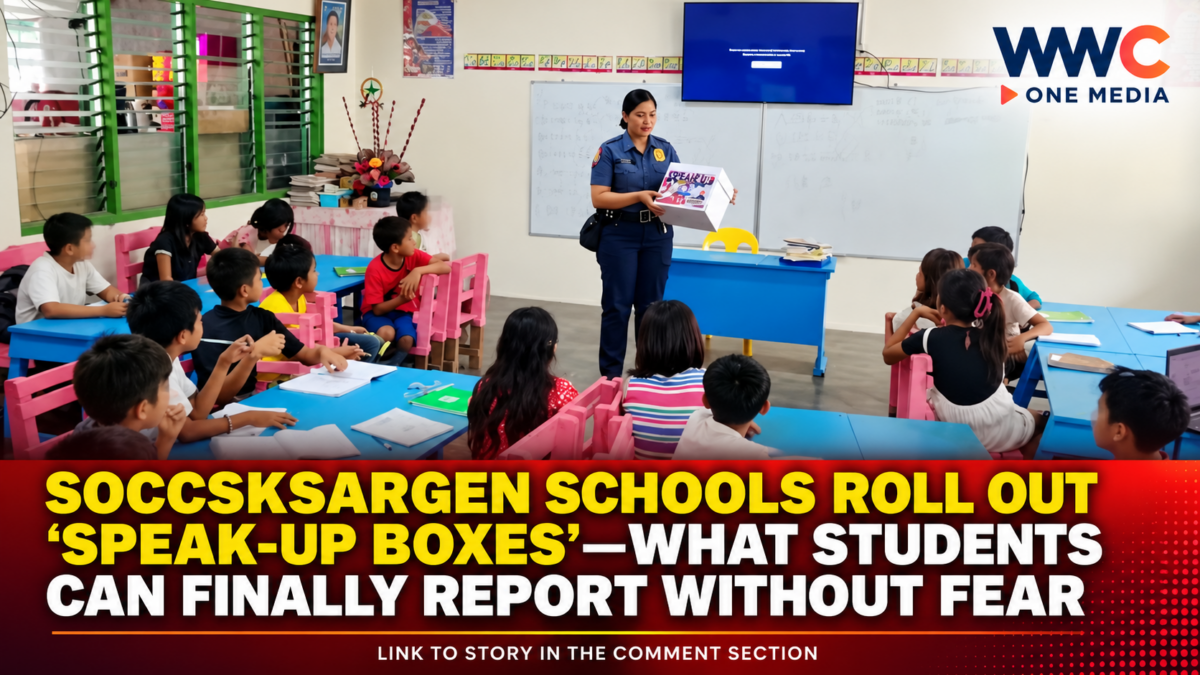
SOCCSKSARGEN, Philippines — Students may soon have another way to raise concerns about bullying, intimidation, and other school-related problems as “speak-up boxes” are rolled out in schools across the SOCCSKSARGEN region, highlighting efforts to make campuses safer and give learners a way to voice concerns.
The initiative, reported by the Philippine Daily Inquirer, centers on creating an accessible channel where students can communicate problems they may find difficult to report directly to teachers or school administrators.
For learners who fear retaliation, embarrassment, or not being taken seriously, a reporting mechanism can provide another opportunity to seek help. Its effectiveness, however, will depend on whether school officials regularly check submissions, protect students’ identities when appropriate, and respond to credible reports.
Why speak-up boxes matter
Bullying and other forms of school violence can affect students’ emotional well-being, confidence, attendance, and ability to learn. Some incidents may remain unreported when students are afraid of confronting the people involved or do not know whom to approach.
A speak-up box can offer a simple way for students to flag concerns and alert school personnel to situations that require attention. Depending on how each school implements the system, submissions may help officials identify possible cases of bullying, harassment, intimidation, or other learner-protection concerns.
The boxes should complement—not replace—direct reporting to teachers, guidance personnel, school administrators, and designated child-protection officers. Students facing immediate danger still need prompt assistance rather than relying on a written submission alone.
DepEd rules require schools to act on bullying reports
The initiative comes amid broader efforts by the Department of Education (DepEd) to strengthen learner protection and improve how schools prevent and respond to bullying.
Under the revised implementing rules of the Anti-Bullying Act of 2013, schools must establish anti-bullying policies and procedures, respond to complaints, investigate incidents, provide appropriate interventions, and observe due process. The rules also recognize the importance of educating learners about reporting mechanisms, including anonymous reporting where available.
The Philippine News Agency has separately reported that DepEd is strengthening school safety measures through improved reporting and referral procedures, coordination with local authorities, and more accessible and confidential channels for students to report bullying, cyberbullying, violence, and other protection concerns.
These measures reflect a wider approach to school safety: preventing incidents, making it easier to report problems, and ensuring that reports lead to appropriate action.
A reporting box is only the first step
For speak-up boxes to make a meaningful difference, schools must establish clear procedures for receiving, reviewing, and referring reports. Confidentiality must be handled carefully, especially when submissions involve minors, allegations of abuse, or sensitive personal information.
Schools should also make students aware of how the system works, explain where concerns go after submission, and provide alternative reporting channels for urgent cases. Reports must be assessed fairly, with appropriate protection for affected students and due process for everyone involved.
An anonymous report can help bring a concern to the attention of school officials, but it does not automatically establish that an allegation is true. Each report requires responsible assessment and appropriate follow-up.
The bigger challenge: turning reports into action
The introduction of speak-up boxes is a potentially useful step toward building a school environment where students feel safer speaking about problems. But the real measure of success will not be the number of boxes installed—it will be whether students receive help when they report genuine concerns.
For families and educators, the initiative also underscores the importance of listening to children, recognizing warning signs of bullying, and making sure learners know which trusted adults can help them.
The key question remains: will students feel safe enough to speak up—and will schools respond when they do?