Rice prices in Indonesia are expected to remain near record levels into early 2027 as delayed rainfall, potential drought and supply-chain bottlenecks threaten to disrupt the country’s next major harvest.
Retail rice prices reached a record 15,769 rupiah per kilogram in September, according to Indonesia’s statistics agency. Rice production for January through November is also expected to decline 2.8% from a year earlier, adding pressure to a market already facing persistent food inflation.
The outlook is becoming more challenging because the country’s rainy season is expected to arrive later than usual. A shorter rainy season could delay planting and reduce the length of the growing period, while El Niño-related dry conditions are already affecting planting in some agricultural areas.
Food analyst Dwi Andreas Santosa of IPB University said elevated rice prices could continue through March 2027 because weather disruptions may delay the main harvest cycle. He said significant relief may not come until April, when rice from the delayed harvest is expected to become more widely available.
Indonesia’s National Food Agency expects the country to produce about 34 million metric tons of rice this year, exceeding domestic consumption of more than 31 million tons. However, analysts warn that the production surplus expected in 2026 may not prevent tighter supplies in 2027 if drought reduces planting and yields.
Rice farmers are particularly vulnerable because around 30% of Indonesia’s paddy fields reportedly lack irrigation infrastructure. In areas where water supplies are limited, some farmers have already switched to secondary crops or left fields unused, potentially reducing the amount of land available for rice production.
The potential production decline could be significant. Zulharman Djusman, deputy secretary general of the Indonesian rice farmers’ group KTNA, said output could fall by as much as 10% next year if drought conditions intensify.
At the same time, Indonesia’s rice market is facing distribution problems that are making it harder for supplies to reach consumers at government-set prices.
Industry representatives said the difference between the cost of purchasing rice from farmers and the government’s retail price ceiling is squeezing retailers and distributors. Some retailers are reportedly being forced to purchase rice above the ceiling and sell it at a loss, reducing their incentive to secure additional supplies.
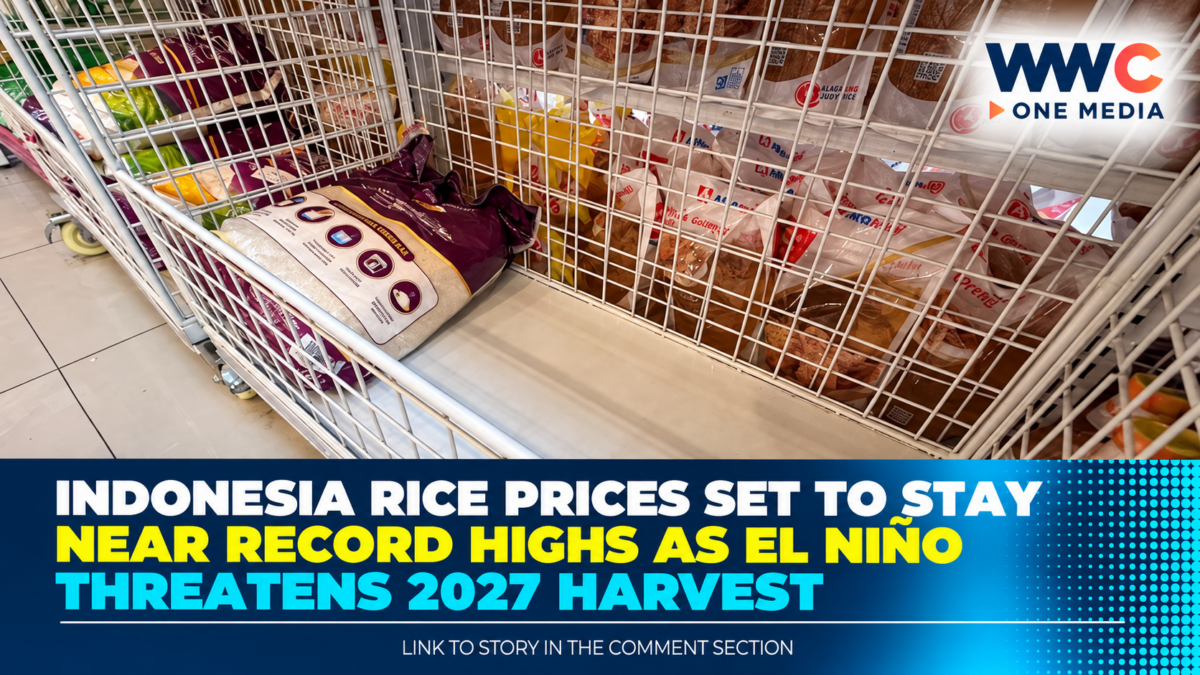
Premium five-kilogram bags of rice, which are widely purchased by middle-class consumers, have also become increasingly difficult to find in some supermarkets.
Industry representatives have called for a more flexible pricing system that would protect farmers while allowing retail prices to respond to supply conditions. One proposal would combine a minimum price for farmers with a retail threshold that would trigger the release of government rice stocks.
Indonesia still has a substantial strategic reserve. State procurement agency Bulog held about 4.6 million tons of rice as of mid-September, but not all of that stock is available through ordinary commercial channels. Some reserves are maintained as a strategic buffer against weather-related disruptions, while other supplies are distributed through food assistance and market-stabilization programs.
The government has also pursued a policy of increasing domestic production and strengthening food reserves. Indonesia has not imported rice since late 2024 as authorities have pushed for greater self-sufficiency.
However, measures designed to support farmers have also affected costs elsewhere in the supply chain. In January 2025, the government raised the purchase price for harvested dry unhusked rice to 6,500 rupiah per kilogram from 6,000 rupiah, helping farmers but increasing costs for rice millers and contributing to the gap between production expenses and consumer price controls.
Government officials have meanwhile maintained that national rice stocks remain adequate despite the El Niño threat. Agriculture Minister Andi Amran Sulaiman said in September that rice supplies were secure through June 2027, underscoring a difference between the government’s stock assessment and analysts’ concerns about future production and retail prices.
With Indonesia heading into a potentially difficult 2027 growing season, the combination of weather risks, irrigation gaps, distribution constraints and price controls is expected to remain a major challenge for consumers, farmers and policymakers.