ZAMBOANGA — Tawi-Tawi is stepping up efforts to transform its seaweed industry by promoting product innovation, improved processing and wider market opportunities for farmers and local businesses.
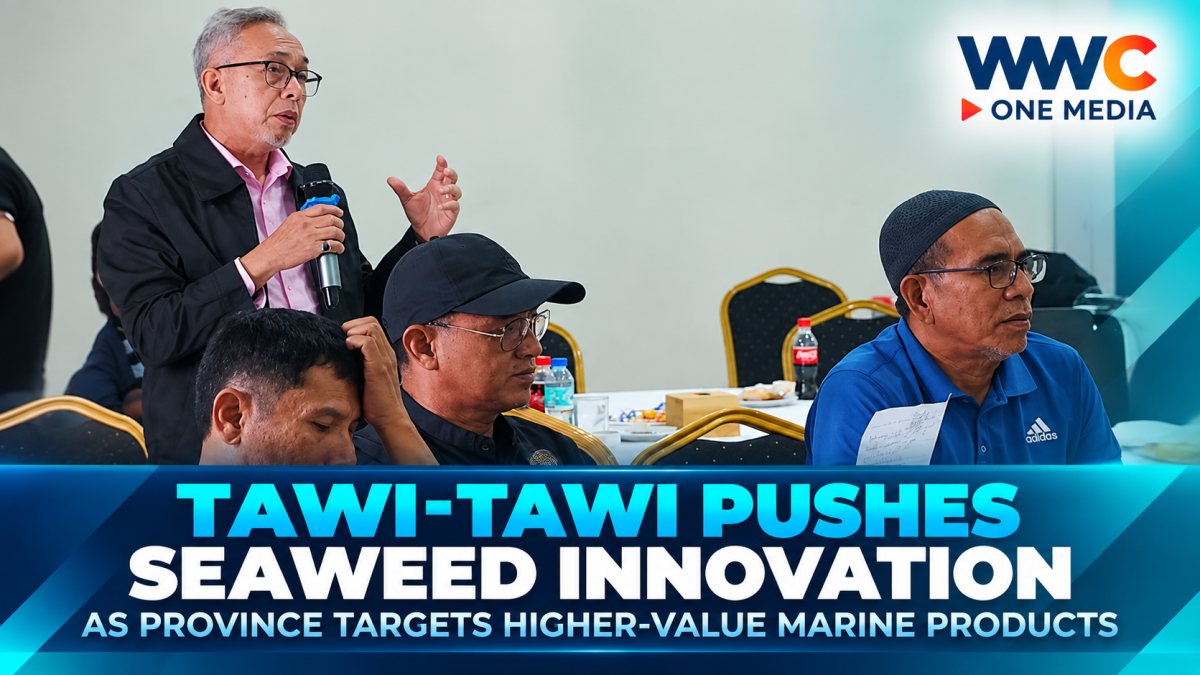
The Ministry of Trade, Investments and Tourism (MTIT)–Tawi-Tawi Provincial Office brought together seaweed farmers, processors, micro, small and medium enterprises, academic institutions and government agencies during a techno-innovation forum on Sept. 22, 2026.
The forum focused on ways to turn the province’s marine resources into higher-value products instead of relying primarily on the sale of raw or minimally processed seaweed.
Discussions covered product development, food safety, Halal compliance, packaging, technology adoption and potential markets. Seven technical sessions featured speakers from the National Commission on Muslim Filipinos, the Bureau of Fisheries and Aquatic Resources, the University of the Philippines Visayas, Mindanao State University–Tawi-Tawi College of Technology and Oceanography, and Al-Amanah Islamic Bank of the Philippines.
The event also included a product showcase and industry networking activities, highlighting seaweed chips, dried fish and other marine-based products developed by local stakeholders.
MTIT Tawi-Tawi OIC Provincial Director Fatima Neyyar Hassan said the forum was designed to give industry participants a clearer understanding of the current condition of the province’s seaweed and marine-based sectors while identifying opportunities for innovation and collaboration.
Tawi-Tawi Governor Yshmael Sali also urged participants to apply the knowledge gained from the forum to improve production and strengthen the province’s position in the seaweed industry. Tawi-Tawi is widely recognized as a major seaweed-producing area in the Philippines, making the sector an important source of livelihood for coastal communities.
The push toward value-added products comes as government agencies continue to promote technology, better production methods and processing capabilities across the country’s seaweed sector. Previous initiatives in other parts of Mindanao have included improved seaweed nurseries, farm equipment, food-processing training and post-harvest technologies designed to help farmers increase the commercial value of their products.
For Tawi-Tawi, the challenge is moving beyond raw-material production and building stronger links between farmers, processors, researchers, financial institutions and markets. Better packaging, food safety standards and Halal certification could also help local products reach more consumers and commercial buyers.
Transportation and Communications Minister Termizie Masahud highlighted ongoing and approved projects that could support the province’s seaweed industry, while reaffirming the Bangsamoro government’s commitment to the sector.
The initiative comes at a time when seaweed remains an important part of coastal livelihoods in the Bangsamoro region and the wider Philippine fisheries economy. Increasing the value of locally produced seaweed could allow communities to capture more income from processing and product development rather than depending mainly on sales of raw materials.
The bigger challenge now is whether the innovation discussed in Tawi-Tawi can translate into commercially viable products, stronger farmer incomes and sustainable growth for one of the province’s most important industries.