
MANILA, Philippines — The legal battle surrounding the Philippines’ multibillion-peso flood-control controversy has taken another dramatic turn, with former House Speaker Martin Romualdez’s camp firmly denying allegations that it pressured former security aides of ex-Ako Bicol Rep. Zaldy Co into withdrawing testimony that had linked Romualdez to alleged cash-filled suitcase deliveries.
But even as witnesses reverse their stories, the Office of the Ombudsman says its investigation is far from collapsing.
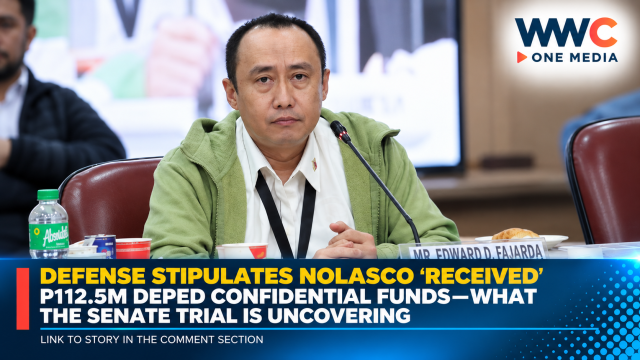
Romualdez’s lawyer, Ade Fajardo, said Thursday that the former speaker’s camp had nothing to do with coercing witnesses to recant their previous allegations.
“We vehemently deny that,” Fajardo said, rejecting suggestions that Romualdez’s side manufactured evidence or pressured the former bodyguards. He said the defense merely submitted evidence requested as part of the Ombudsman proceedings.
The denial directly answers Ombudsman Jesus Crispin Remulla’s earlier allegation that people associated with Romualdez were behind the withdrawal of statements by several former aides of Co.
Remulla had publicly questioned why the recantation affidavits reached Romualdez’s lawyers before being furnished to Ombudsman prosecutors who had previously interviewed the witnesses under oath. Earlier this month, he alleged that Romualdez’s camp, including lawyers and advisers, was behind the reversals. Romualdez denied that accusation and accused the Ombudsman of prejudging him.
From accusations to recantations
The controversy involves a group of men who identified themselves as former security personnel or bodyguards of Co and alleged that they participated in deliveries of suitcases containing money connected with questionable flood-control projects.
Four of the 18 men were reported earlier this month to have withdrawn previous statements implicating Romualdez and other personalities. GMA’s latest report said affidavits from three former bodyguards were included in the counter-affidavit Romualdez submitted to the Ombudsman on August 7.
The shifting accounts have placed the credibility of the witnesses at the center of the investigation.
That issue became even more explosive after retired Marine Orly Guteza, another former security aide of Co, resurfaced and recanted his own testimony.
Guteza had previously told the Senate Blue Ribbon Committee that he participated in deliveries of cash-filled luggage to a residence associated with Romualdez. In an August 13 affidavit reported this week, however, Guteza said he had no personal knowledge of those alleged deliveries and claimed that his earlier account was fabricated.
Even more significantly, Guteza accused Sen. Rodante Marcoleta and former congressman Mike Defensor of allegedly pushing him to give the testimony.
According to Guteza’s new affidavit, he was allegedly promised financial assistance and scholarships for his children and was encouraged to become the supposed “missing link” connecting Romualdez directly to the alleged money trail. These are Guteza’s new allegations and have not been established by a court as fact.
The latest reversal is particularly striking because Defensor had previously defended Guteza’s original claims. In April, Defensor even presented an alleged audio recording that he said showed Guteza was being pressured to deny the cash deliveries. GMA News said at the time that it could not independently verify the recording’s authenticity.
Romualdez brings 25 more statements to Ombudsman
Romualdez’s defense is now attempting to counter the allegations with a significantly larger set of affidavits.
Fajardo said Romualdez would submit a supplemental counter-affidavit containing sworn statements from 25 former drivers and security aides of Zaldy Co.
According to the defense, those witnesses dispute the accounts of the so-called “maleta boys” and say they did not witness deliveries of money to politicians or government officials, including Romualdez.
Fajardo said Guteza’s new recantation would also be included in the supplemental filing.
Romualdez’s lawyers argue that the contradictory accounts demonstrate serious weaknesses in the allegations against him.
The Ombudsman, however, is drawing the opposite conclusion.
Ombudsman says it has 28 other witnesses
Hours before Romualdez’s camp defended itself, the Ombudsman announced that 28 other witnesses were prepared to provide what the anti-graft office described as “direct and material” information about transactions under investigation involving the former speaker.
According to the Ombudsman, some of those witnesses are active uniformed personnel undergoing legal procedures before giving their accounts.
The office said its case does not rest on Guteza—or on only a handful of witnesses—and characterized witness recantations in major cases as a familiar pressure tactic.
That distinction could become crucial.
A recantation can damage the credibility of an individual witness, but investigators may still rely on independent testimony, documentary evidence, financial records or other corroborating evidence if those materials survive scrutiny.
What exactly is being investigated?
Ombudsman investigators filed a supplemental complaint-affidavit in July involving allegations of plunder, direct bribery, graft and corruption, and money laundering against Romualdez, Co and other respondents.
Investigators have alleged coordinated acts involving approximately ₱56 billion from 2022 to 2025, according to reporting on the complaint. Those remain allegations subject to investigation and legal proceedings.
The Ombudsman subsequently ordered Romualdez and the other respondents to submit counter-affidavits. Once submissions are completed, investigators are expected to determine whether sufficient grounds exist for cases to proceed.
Romualdez has repeatedly denied involvement in illegal flood-control kickbacks and has said he is prepared to answer the accusations through the legal process.
The bigger question: Which version will investigators believe?
The controversy has now evolved beyond the original question of whether suitcases of cash were delivered.
Investigators must also determine why multiple witnesses gave sworn accusations and later withdrew them, who—if anyone—influenced either version of their stories, and what independent evidence exists to verify the competing claims.
The conflicting affidavits cut both ways.
For Romualdez, the recantations potentially undermine some of the most sensational testimony presented against him.
For investigators, however, they have opened a second question: whether witnesses were manipulated when they first testified—or pressured after deciding to cooperate.
Malacañang has called for investigators to determine who was responsible if testimony was deliberately fabricated, saying Guteza’s latest allegations must themselves be verified rather than automatically accepted.
That leaves the flood-control controversy at an unusually volatile stage.
Witnesses are changing their stories. The defense says the accusations are unraveling. The Ombudsman says dozens more witnesses remain.
And ultimately, neither side’s public statements will decide the case.
The decisive question will be what evidence remains standing once investigators strip away the competing affidavits, political accusations and recantations—and determine which version can actually be proved.



Leave a Reply