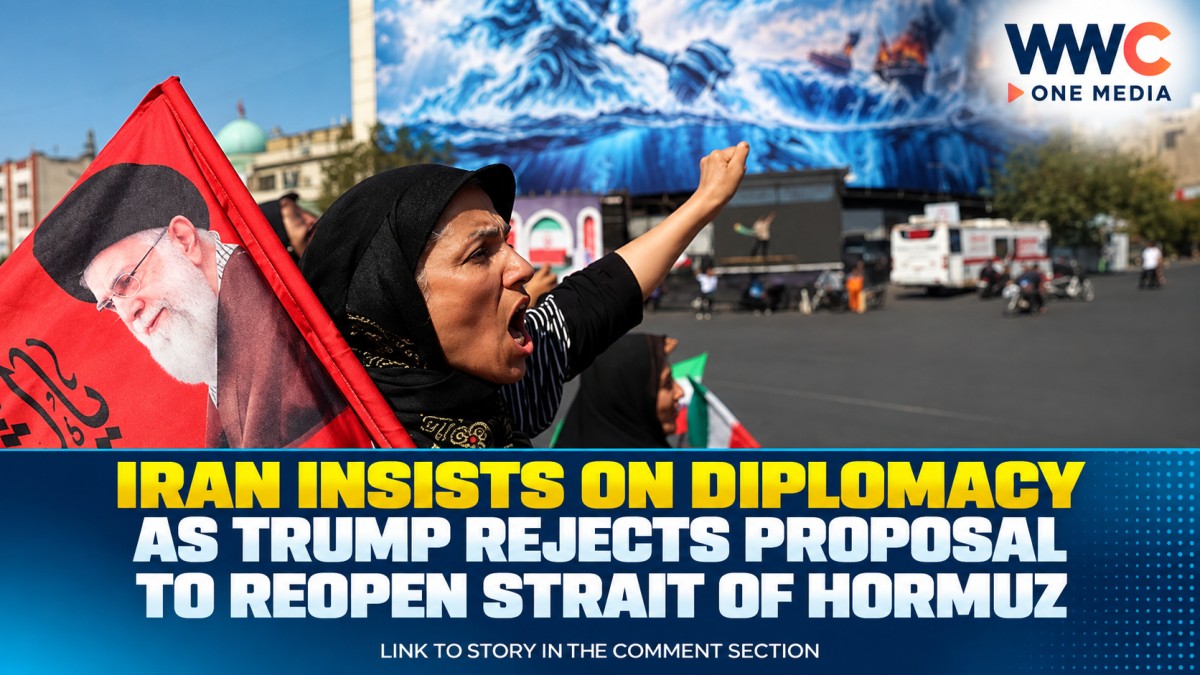
Iran is insisting that diplomacy remains the only way to resolve its conflict with the United States and Israel after US President Donald Trump said he had rejected Tehran’s latest proposal to reopen the Strait of Hormuz and halt the fighting.
Iranian Foreign Minister Abbas Araqchi said any move toward reopening the strategically important waterway would depend on specific conditions being met. He said a negotiated settlement was necessary to break the deadlock between the two sides.
Iran presented the proposal during the United Nations General Assembly in New York and said it had been transmitted to US officials through Qatari mediators. Under the proposal, Tehran indicated that the Strait of Hormuz could be reopened within a week if the United States eased military pressure and lifted its blockade of Iranian ports.
Trump, however, said on Saturday that he had rejected the proposal. He argued that Iran was seeking an immediate agreement to reopen the waterway because of the pressure it was facing.
There is still some uncertainty over the status of the proposal. Araqchi said mediators involved in the US-Iran discussions had not formally conveyed a US rejection to Tehran, meaning Iran was waiting for a definitive response through diplomatic channels.
The disagreement comes after months of fighting that have severely disrupted shipping through the Strait of Hormuz, one of the world’s most important energy routes. The conflict and reduced shipping activity have contributed to disruptions in regional oil flows and added pressure to the global economy.
The nuclear issue remains another major obstacle. Trump has repeatedly said Iran must not obtain a nuclear weapon, while an Iranian official told Reuters that Tehran would not accept concessions involving its right to enrich uranium or transfer highly enriched uranium out of the country.
Iranian President Masoud Pezeshkian has said Tehran is prepared to negotiate over its nuclear programme and other issues, but would not accept what he described as pressure or coercion. He also said Iran was not seeking war while maintaining that it would defend itself against attacks and threats.
The diplomatic effort follows earlier attempts to establish negotiations that failed to end the conflict, which began with US and Israeli attacks in February. Since then, periods of reduced fighting have been followed by renewed strikes, while the conflict has expanded across parts of the region.
The Strait of Hormuz remains central to the negotiations because its reopening could affect energy shipments and global oil markets. Iran’s willingness to discuss reopening the waterway provides a potential avenue for negotiations, but disagreements over military pressure, sanctions, shipping access and Iran’s nuclear programme remain unresolved.
For now, Tehran says diplomacy remains available, while Washington has rejected the latest proposal as presented publicly by Trump. The next stage will depend on whether mediators can clarify the US position and whether the two sides can bridge their differences over the conditions for reopening the Strait and restarting broader peace negotiations.