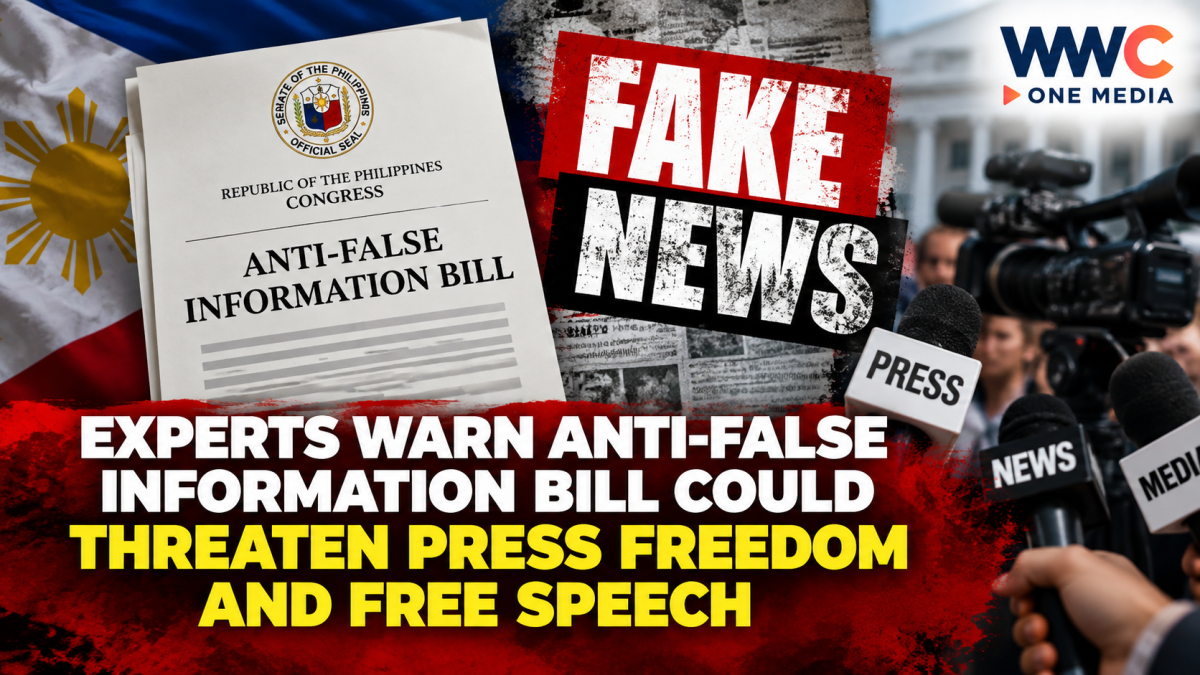
CEBU — Media and legal experts in Cebu are urging lawmakers to carefully review a proposed Anti-False Information Bill, warning that vague definitions, criminal penalties and government-directed content removals could have implications for freedom of expression and press freedom.
The concerns were raised during a forum organized by the Cebu Citizens Press Council (CCPC) as part of Cebu Press Freedom Week. Media law expert and University of the Philippines Cebu senior lecturer Atty. Ian Vincent Manticajon presented a draft resolution outlining concerns over the proposed legislation.
Manticajon said the measure has already passed third reading in the House of Representatives and is now pending in the Senate. If the Senate approves its version, differences between the two chambers would have to be reconciled through a bicameral conference committee before the measure could proceed to the President for possible signing.
One of the main issues raised involves provisions that could allow government agencies to request the restriction or removal of online content. Critics of the measure argue that broad definitions of false information could give authorities significant discretion over what material remains accessible to the public.
Manticajon said decisions involving censorship or restrictions on political speech should receive judicial oversight and due-process protections rather than being left solely to executive agencies. He also questioned how individuals or organizations could effectively challenge content-removal decisions if the review and appeals mechanisms remain unclear.
The proposed legislation has also raised concerns about the potential effect of criminal penalties on journalists and media organizations. Manticajon argued that fear of prosecution or content takedowns could discourage critical reporting, including coverage of government officials and public institutions.
The CCPC’s draft resolution is calling for stronger constitutional safeguards, clearer protections against the misuse of criminal law and broader public consultations. It specifically seeks greater participation from community journalists and citizens outside Metro Manila before Congress moves further with the measure.
The debate comes as misinformation and manipulated online content remain major challenges for governments, media organizations and social-media users. At the same time, legislation aimed at addressing false information must balance those concerns with constitutional protections for freedom of speech and of the press.
For now, the bill remains part of the legislative process and has not become law. Its final provisions could still change as the Senate considers its version and lawmakers reconcile any differences between the two chambers.
The next stage of the debate will therefore focus not only on how authorities can respond to demonstrably false information, but also on who gets to determine what is false, what safeguards must apply before content is removed, and how citizens can challenge government decisions that affect their right to receive and share information.