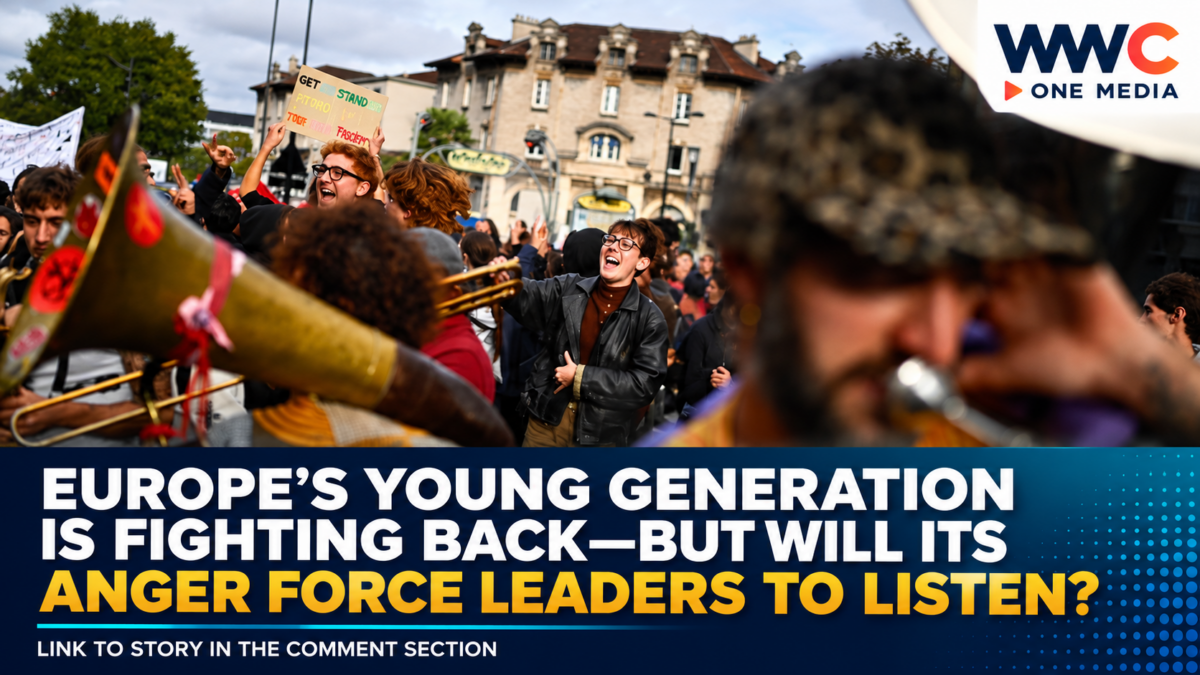
A growing wave of youth-led demonstrations across Europe is sending a clear message to political leaders: young people want more than promises. They want affordable homes, accessible education, secure livelihoods and a meaningful voice in decisions shaping their future.
Recent demonstrations in France, Italy, Belgium, Portugal, Spain and Albania have highlighted different national grievances, but several concerns repeatedly emerge: the rising cost of living, limited economic opportunities, pressure on public services and frustration with political institutions.
Reporting by EL PAÍS and The Guardian has documented how these concerns are contributing to demonstrations across the continent. However, the protests do not constitute a single, coordinated movement with identical demands. Their causes and political objectives vary from country to country.
What connects many of these demonstrations is a growing perception among younger people that the systems intended to provide opportunity and security are failing to meet their expectations.
Housing Costs and Economic Insecurity Fuel Youth Anger
For many young Europeans, the prospect of becoming financially independent has become increasingly difficult.
High housing costs, insecure employment and the expense of pursuing higher education can make it harder for young adults to leave their family homes, build savings or plan for the future.
In Portugal and Spain, housing affordability has emerged as a major protest issue. Demonstrators have called for more accessible housing as rents and property prices place increasing pressure on residents, particularly those with limited incomes.
Education has also become a flashpoint. Students in Belgium and France have raised concerns about education funding, school conditions and policies affecting access to higher education and financial support.
These grievances illustrate how economic insecurity can extend beyond wages. Even young people who are studying or working may feel that stable employment and a reasonable standard of living remain out of reach.
The broader concern is whether Europe’s economic and social systems can deliver the opportunities younger generations have been encouraged to expect.
Why France Has Become a Focal Point
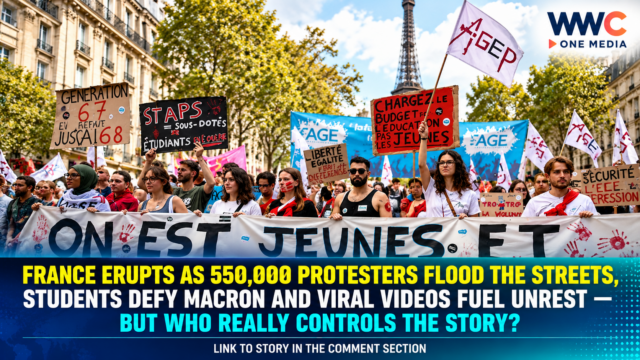
France has attracted particular attention amid demonstrations over education, public services and the cost of living.
Student-led actions have drawn wider participation from established protest movements, workers and other groups dissatisfied with government policies. Some demonstrations have remained peaceful, while others have been accompanied by clashes, property damage and confrontations with police.
The unrest has also intensified debate over how authorities should respond to public demonstrations, protect peaceful protesters and hold individuals responsible for violence accountable.
According to Associated Press reporting, policing tactics and allegations of excessive force have become major points of controversy during the French unrest.
The distinction matters: violence associated with some incidents should not obscure the broader policy grievances expressed by peaceful demonstrators.
For political leaders, the challenge is not simply restoring public order. It is also addressing the concerns that have brought people onto the streets in the first place.
A Wider European Problem, but Different National Struggles
Similar demonstrations have appeared elsewhere, although the circumstances differ.
In Italy, protests have included concerns about education, living costs and government priorities. In Belgium, students have challenged education reforms and financial pressures affecting university access. In Portugal and Spain, housing affordability has become a prominent issue.
In Albania, anti-government demonstrations have reflected concerns about corruption and political accountability, alongside wider dissatisfaction among sections of the population.
Le Monde has reported on the spread of social unrest across several European countries, highlighting the role of housing pressures, energy costs and dissatisfaction with government policies.
These developments suggest that youth discontent cannot be reduced to one political ideology or one demand. Some protesters are focused on public spending and education, others on housing and employment, while others are demanding greater accountability from those in power.
Treating every demonstration as part of a single pan-European revolt risks overlooking these important differences.
Social Media Gives Young People a Powerful Voice
Digital platforms have changed how younger generations communicate their grievances, circulate information and organize collective action.
Social media can help demonstrations gain visibility beyond national borders, allowing people to share footage, explain their demands and draw attention to issues that might otherwise receive limited coverage.
However, online visibility does not automatically translate into lasting political change. A movement may attract large crowds and widespread attention without producing a unified platform or a clear path toward policy reform.
Research from the Reuters Institute for the Study of Journalism has also highlighted how younger audiences increasingly encounter news through social and audiovisual platforms rather than relying exclusively on traditional media.
This changing information environment creates opportunities for civic participation but also makes verification essential. Images, videos and claims circulating online should be checked against credible reporting before being treated as established facts.
Will Generational Anger Change Europe’s Political Future?
The protests raise a difficult question for governments: what happens when a generation believes that conventional political channels are not delivering meaningful results?
Public demonstrations can put neglected issues on the political agenda, increase pressure on elected officials and encourage participation in elections or civic organizations. But their long-term influence depends on whether public anger becomes sustained political engagement and whether governments respond with credible measures.
Europe’s leaders face competing demands, including pressure on public finances, the need to maintain essential services and calls for greater investment in education, housing and economic opportunity.
Meeting these demands will require more than temporary concessions or statements of concern. It will require policies that address the specific problems facing younger people while recognizing the needs of other parts of society.
At the same time, young demonstrators face their own challenge: turning diverse grievances into clear demands and determining how best to influence decision-makers.
The Bigger Question: Who Gets to Shape Europe’s Future?
The growing visibility of youth protests points to a wider debate about representation, fairness and the social contract between governments and citizens.
Young people are not a politically uniform group, and demonstrations do not necessarily represent the views of an entire generation. Nevertheless, repeated mobilization around housing, education, economic security and accountability signals concerns that political leaders cannot dismiss simply as youthful frustration.
The crucial test will be whether these demonstrations lead to meaningful improvements—or whether dissatisfaction continues to deepen.
For Europe’s governments, the question is no longer just how to manage the next protest. It is whether they can rebuild trust among people who fear that the future being offered to them falls short of what they need.
And if young Europeans continue to feel unheard, will the next wave of protests become an even greater challenge to the continent’s political establishment?