
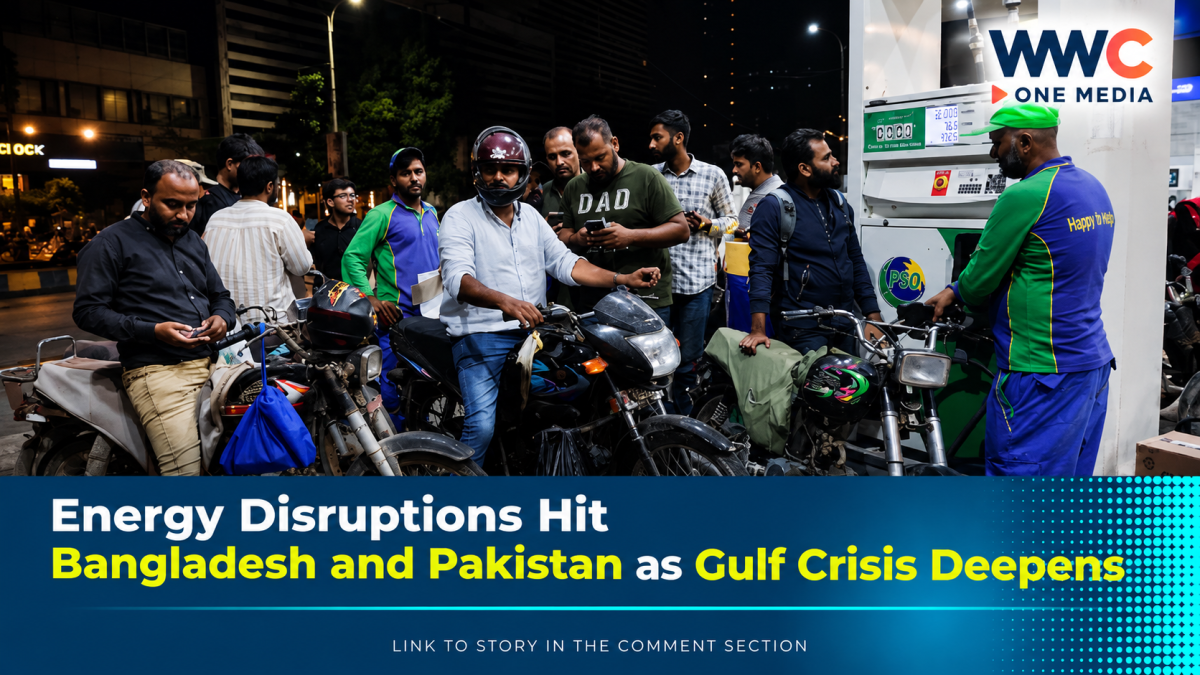
Energy supply disruptions linked to the escalating Gulf crisis are putting growing pressure on households, businesses and industries in Bangladesh and Pakistan, with shortages of gas and fuel affecting daily life and driving up costs.
In Dhaka, intermittent supplies of piped gas have forced some residents to adjust their routines around when fuel is available. Some have resorted to cooking late at night, while power outages have made electric alternatives unreliable.
Bangladesh relies on imported liquefied natural gas for more than 40 per cent of its electricity generation. Disruptions to LNG deliveries from Qatar, which previously supplied the vast majority of Bangladesh’s imports, have forced the country to seek more expensive cargoes on the spot market.
The shortage has contributed to power cuts and factory shutdowns, with industries warning that unreliable energy supplies are slowing production. Some exporters have also faced cancelled orders and higher operating costs.
The crisis is linked to disruptions at two major regional trade routes. The conflict involving Iran has affected oil and gas exports through the Strait of Hormuz, while fighting between Saudi Arabia and Iran-backed Houthi forces has created additional risks for shipping through the Red Sea.
Asian spot LNG prices have risen sharply as a result, approaching US$30 per million British thermal units this week, compared with about US$10 before the war.
Shell estimates that roughly 36 million tonnes of LNG supply from the Middle East has been lost so far this year, increasing pressure on countries that have limited financial capacity to absorb higher energy costs.
Pakistan is facing a different but related challenge, with petrol and diesel prices rising sharply and putting pressure on households and businesses.
The government introduced a fuel subsidy on Wednesday for motorcycles, rickshaws and small cars, offering a discount of 100 Pakistani rupees per litre within a capped monthly quota.
However, the registration process has proved difficult for some people. Residents have reported problems registering their vehicles and mobile phone numbers to qualify for the scheme.
For lower-income households, higher fuel prices are having a direct impact on living costs. Rickshaw drivers and other workers who depend on transport for their income have reported falling earnings as fuel becomes more expensive.
Pakistan has also introduced wider austerity measures to conserve fuel, including cuts to fuel allocations for government vehicles, restrictions on official travel and a ban on some state purchases.
The country’s power sector is expected to face further pressure during the winter, when authorities may need hundreds of millions of cubic feet of additional gas each day to meet demand.
The developments show how disruptions far beyond South Asia are increasingly affecting economies and households across the region. Bangladesh is dealing with shortages of gas and electricity, while Pakistan is attempting to cushion consumers from soaring transport and energy costs.
With the conflict continuing to threaten major energy and shipping routes, both countries face the prospect of prolonged pressure on fuel supplies, industrial production and household expenses.




Leave a Reply