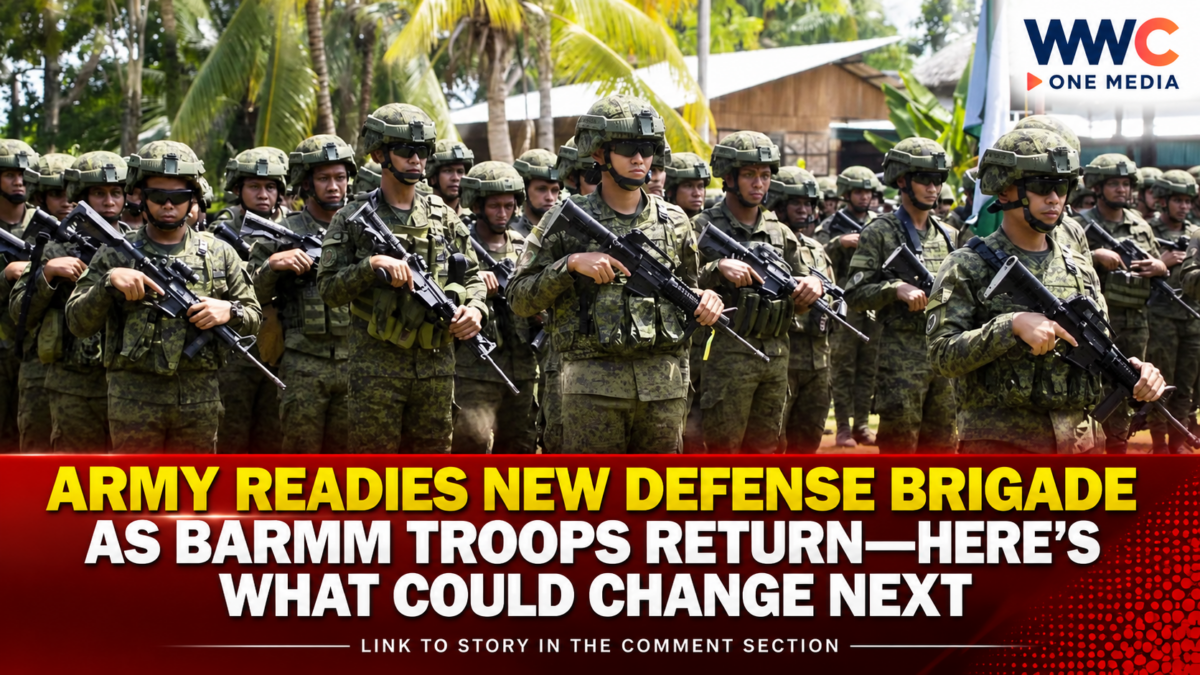
The Philippine Army is preparing for its next phase of military operations as troops return from deployment in the Bangsamoro Autonomous Region in Muslim Mindanao (BARMM), highlighting the military’s continuing efforts to strengthen its defense capabilities while supporting peace and security in conflict-affected areas.
The development comes as the Armed Forces of the Philippines (AFP) continues to adapt to evolving national security priorities, including the transition toward a stronger external defense posture.
Troops Return After BARMM Election Security Mission
The return of Army personnel follows the security operations conducted for BARMM’s first parliamentary elections on September 14, 2026.
In related reporting, the Philippine Daily Inquirer reported that the Army’s 10th Infantry Division deployed approximately 395 soldiers from the 67th Infantry Battalion and the 102nd Division Reconnaissance Company to reinforce security in the Bangsamoro region ahead of the polls.
The troops augmented existing forces operating under the Army’s 6th and 11th Infantry Divisions. Their assignments included supporting election security efforts in areas such as Basilan and Shariff Aguak in Maguindanao del Sur.
The Philippine News Agency separately reported that approximately 11,900 soldiers and members of the Citizens Armed Force Geographical Unit (CAFGU) had been deployed from the 1st, 6th and 11th Infantry Divisions as of September 6 to support election security.
These deployments formed part of a wider effort to protect voters, maintain peace and order, and support the Commission on Elections (Comelec) during the historic parliamentary vote.
Returning Soldiers Mark the End of Election Duties
Several Army units have since returned to their respective bases after completing their assignments.
Philstar.com reported on October 12 that the Army’s 72nd Infantry Battalion had completed a five-week deployment in Cotabato City, where its personnel supported security operations for the September elections.
The unit worked alongside local police, Philippine Navy personnel and other military forces to help secure polling locations across the city.
Meanwhile, the Manila Bulletin’s sister publication, The Daily Tribune, reported in September that the Army’s 1st Infantry Division deactivated provisional battalions after their election security mission in Lanao del Sur. The division said the province recorded zero violent incidents throughout the election period.
These separate developments demonstrate how military units have been completing temporary election assignments and returning to their regular organizational responsibilities.
Why the Army’s New Defense Preparations Matter
The preparations for a new defense brigade should also be viewed against the government’s broader military strategy.
In March 2026, President Ferdinand Marcos Jr. directed the Philippine Army to accelerate its transition from internal security operations toward external defense, citing emerging threats and the need to protect the country’s territorial interests.
According to the Inquirer, the administration has emphasized the Comprehensive Archipelagic Defense Concept, which seeks to improve the military’s ability to defend the Philippine archipelago while sustaining gains in domestic peace and security.
The transition involves strengthening military readiness, improving coordination among uniformed services and developing capabilities suited to the country’s maritime and territorial defense requirements.
However, the shift does not mean that internal security responsibilities have disappeared. The Army must continue addressing remaining domestic threats while supporting stability in communities affected by armed conflict.
What Happens Next?
The return of deployed personnel creates an opportunity for Army units to resume their regular duties, prepare for future assignments and contribute to the military’s evolving operational priorities.
The key question is how the planned defense brigade will fit into the Army’s broader organizational structure and what specific responsibilities it will receive.
The available related reports establish the wider context of troop redeployment and the shift toward external defense. However, the precise composition, activation schedule, operational area and mission of the new brigade should be confirmed through the Army’s official announcement or the complete original report before publication.
For now, the developments point to a military balancing two important priorities: maintaining peace and stability at home while preparing to respond to a changing national security environment.
As the Philippine Army moves forward, the next steps in its defense preparations could offer a clearer picture of how the country intends to strengthen its military posture in the years ahead.