
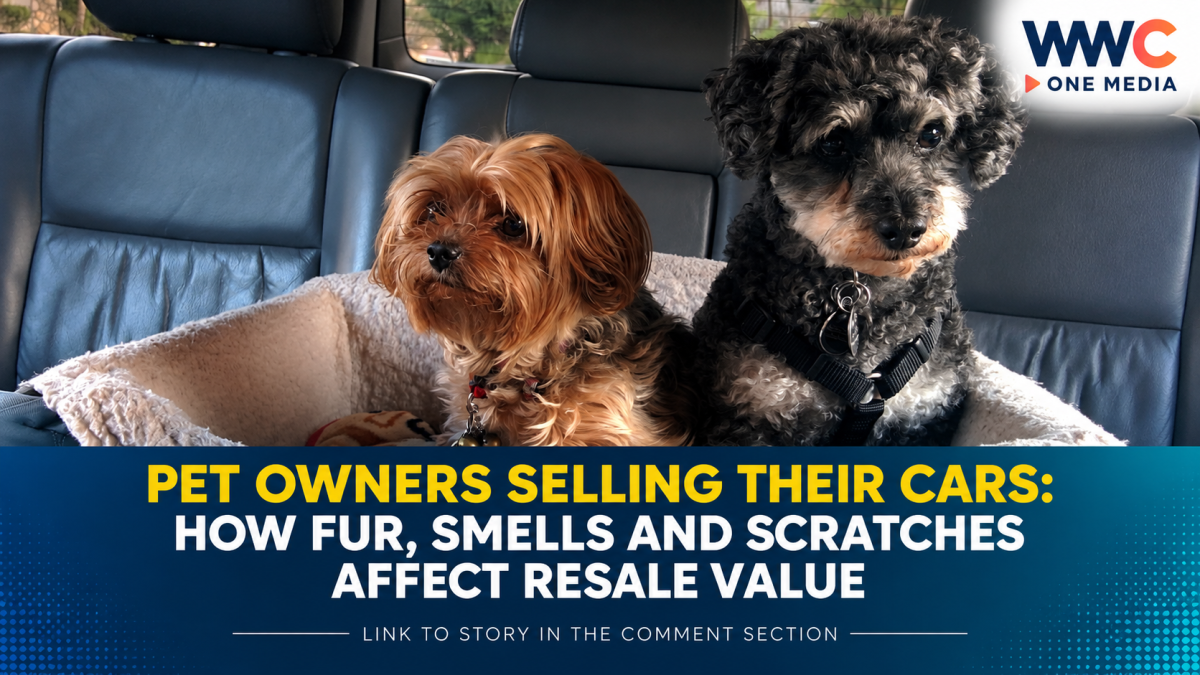
Pet owners may love bringing their dogs and cats along for car rides, but years of travelling with furry companions can leave behind more than happy memories. Fur trapped in carpets, lingering smells and scratches on seats or door panels can all affect how potential buyers view a used car.
Pet ownership does not automatically mean a vehicle is worth less. What matters is the condition of the interior and how much cleaning or repair is needed before the next owner can use the car comfortably. Visible or persistent pet-related damage may give buyers a reason to negotiate for a lower price.
Fur is one of the easiest problems to spot. Loose hair can become embedded in fabric seats, carpets, floor mats and even the spaces underneath seats and around seat rails. While a small amount of fur is unlikely to make a major difference, a heavily fur-covered interior can create the impression that the vehicle has not been cleaned regularly.
Pet odour can be an even bigger concern. Smells from wet fur, saliva, food or accidents can become absorbed into upholstery, carpets and even parts of the air-conditioning system. Simply spraying an air freshener may only cover the smell temporarily, and a strong fragrance could even make a buyer wonder whether an underlying odour is being hidden.
Scratches and other physical damage can also affect an offer. Pets can leave claw marks on leather seats, door panels, plastic trim and boot areas. Small marks in less visible areas may have little impact, but deep scratches, torn upholstery or damaged leather are more likely to affect the vehicle’s interior-condition assessment.
The location and severity of the damage matter. A few scratches in the boot may be relatively easy for a buyer to overlook, while large marks across a prominent leather seat or door panel are harder to ignore. Sellers should also be cautious about using cheap repair products that leave uneven colours or make the damage more noticeable.
For cars with significant pet-related wear, professional detailing may be worth considering before a sale. A thorough treatment can include vacuuming hard-to-reach areas, cleaning upholstery, shampooing carpets, removing stains and treating persistent odours. If smells become stronger when the air-conditioning is switched on, the cabin air filter and ventilation system may also need attention.
However, owners do not necessarily need to spend heavily on repairs just to make an older car look brand new. The cost of professional work should be weighed against the likely improvement in the vehicle’s selling price. The main goal is to present the car as clean, hygienic and well maintained.
There are also simple ways pet owners can protect their cars while they still own them. Washable seat covers, boot liners and properly secured pet carriers can reduce the amount of fur, dirt and scratches left behind. Cleaning up spills or accidents quickly can also prevent smells from becoming deeply absorbed into carpets and seat padding.
Most importantly, sellers should be honest about permanent damage. Trying to conceal major stains, scratches or strong odours may backfire when a potential buyer discovers them during a closer inspection. A clean interior, maintenance records and evidence of professional cleaning or repairs can instead help demonstrate that the car has been properly cared for.
Ultimately, pet use is only one factor in a vehicle’s resale value. Age, mileage, mechanical condition, accident history, servicing records and overall market demand remain important. But for owners preparing to sell, removing fur, dealing with unpleasant smells and addressing obvious scratches can help ensure that a well-loved pet-friendly car is judged for its overall condition — rather than the evidence left behind by its four-legged passengers.




Leave a Reply