
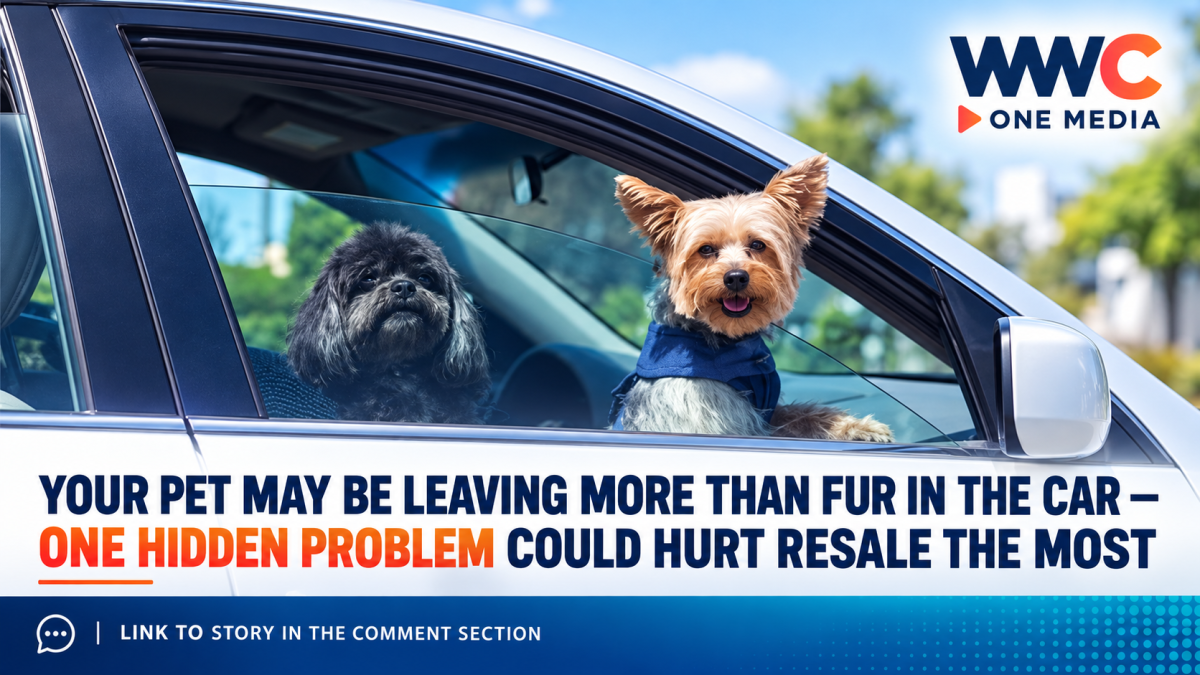
SINGAPORE — Your dog may love riding shotgun, but years of furry road trips can leave something behind that buyers may not love nearly as much.
Pet owners preparing to sell their vehicles are being reminded that fur, smells, stains and claw damage can influence how prospective buyers judge a car — and potentially how much they are prepared to offer.
An AsiaOne report published on September 12, originally sourced from automotive platform Motorist Singapore, notes that regularly carrying pets does not automatically make a vehicle worth less. What matters is the condition left behind. Embedded hair, persistent odours, damaged upholstery and scratches can mean additional cleaning or repair costs for the next owner or dealer, creating room for a lower offer.
And of all those signs of pet ownership, the biggest resale headache may not be the one motorists can immediately see.
Fur is annoying. Smell can be harder to sell.
Loose pet hair may look bad during a viewing, particularly when it has accumulated beneath seats, around seat rails, between cushions and deep inside boot carpeting.
But most surface fur can eventually be removed.
Odour is different.
Wet fur, pet bedding, saliva, food and accidents can leave smells that work their way into carpets, upholstery, roof linings and even parts of the vehicle’s ventilation system. Once that happens, a quick vacuum or an air freshener may do little more than disguise the problem temporarily.
That uncertainty can matter to a buyer. If someone cannot tell whether a smell will disappear after cleaning, they may factor professional detailing, upholstery treatment or even cabin-filter replacement into their offer.
The original report therefore describes persistent odour as potentially more troublesome than visible fur because the cost and difficulty of eliminating it are harder to predict.
That scratch on the door could become a negotiation point
Pets can also leave permanent physical reminders of their journeys.
Dogs climbing into a vehicle can scratch plastic door panels, leather seats and boot trim. Claws may puncture upholstery, while repeated jumping or moving around the cabin can damage door seals or interior surfaces.
A few small marks do not necessarily make a meaningful difference. Deep scratches across a leather seat, torn fabric or highly visible damage are another matter because repairing them can require specialist work or replacement components.
That principle is consistent with wider automotive valuation practices.
Kelley Blue Book says a vehicle’s resale value is influenced by factors including model, age, mileage and condition, with deterioration beyond ordinary wear and tear affecting market value. Edmunds similarly separates used cars into condition categories partly according to cosmetic damage and how much reconditioning they require.
In other words, the market is not necessarily penalising the presence of a dog or cat.
It is pricing the condition the animal may have left behind.
There is no standard “pet penalty”
Pet owners should be cautious about claims suggesting that travelling with animals automatically wipes a certain percentage off a car’s value.
Neither the AsiaOne/Motorist report nor major vehicle valuation guides reviewed for this story establish a universal “pet depreciation” percentage.
Actual resale value depends on far more than fur or scratches.
Age, mileage, mechanical condition, accident history, service records, model demand and prevailing market conditions all remain important. A mechanically sound, well-maintained vehicle that occasionally carried a dog may be far more desirable than an apparently spotless vehicle with mechanical or accident-history concerns.
That distinction matters because Singapore’s used-car market is especially sensitive to depreciation and ownership costs.
CNA reported earlier this year that changes to Preferential Additional Registration Fee rebates could strengthen demand for second-hand vehicles. One dealer cited by CNA said enquiries for used cars under two years old had risen 20 per cent immediately after the Budget announcement, while transport economist Walter Theseira noted that used cars generally carry lower depreciation.
In that environment, presentation and condition can become even more important when buyers are comparing similar cars.
Singapore’s growing pet culture makes the issue increasingly relevant
Pets have also become a bigger part of everyday life for many Singapore households.
CNA reported in April that some cat and dog breeders had experienced demand increases of as much as 30 per cent since 2019. Separately, Singapore’s Animal & Veterinary Service said about 66,000 pet cats had been licensed between the launch of the cat licensing scheme in September 2024 and July 2026.
More pets naturally means more animals being transported for veterinary appointments, grooming sessions, outings and family trips.
For motorists who routinely carry them, protecting the cabin early can be far cheaper and easier than attempting to restore it just before a sale.
What pet owners should do before selling
A seller does not have to make an older vehicle look factory-new. The objective is to remove avoidable signs of neglect and allow buyers to judge the car fairly.
- Remove embedded fur thoroughly. Vacuum under seats, around rails, between cushions and throughout the boot rather than cleaning only visible surfaces.
- Find the source of any odour. Do not rely on strong fragrances to cover it. Upholstery, carpeting and ventilation components may require deeper cleaning.
- Assess scratches before attempting DIY repairs. Incorrect dyes or repair compounds can make damaged leather or plastic more obvious.
- Consider professional detailing when ordinary cleaning is not enough. Compare the cost with the likely improvement in presentation rather than automatically paying for every cosmetic repair.
- Disclose permanent damage honestly. Cleaning receipts, maintenance records and evidence of professional repairs can help show that a vehicle has been responsibly maintained.
Washable seat covers, boot liners and secured pet carriers can also limit future staining and scratching. Cleaning spills and accidents quickly is particularly important because moisture can carry odours deeper into seat padding and carpets.
The real resale problem may be what buyers cannot see
A handful of dog hairs probably will not destroy a car deal.
But a buyer opening the door and immediately encountering a stubborn smell, stained upholstery or heavily scratched leather may start calculating cleaning and repair costs before the test drive has even begun.
That can transform a sentimental reminder of years spent travelling with a beloved pet into another negotiating point.
The lesson for pet-owning motorists is therefore less dramatic than “pets destroy resale value” — but more useful.
Pets themselves are not the problem. Unmanaged wear is.
Keep the cabin clean throughout ownership, deal with accidents quickly and protect vulnerable surfaces, and those happy trips to the park may remain memories rather than deductions from the eventual selling price.



Leave a Reply