
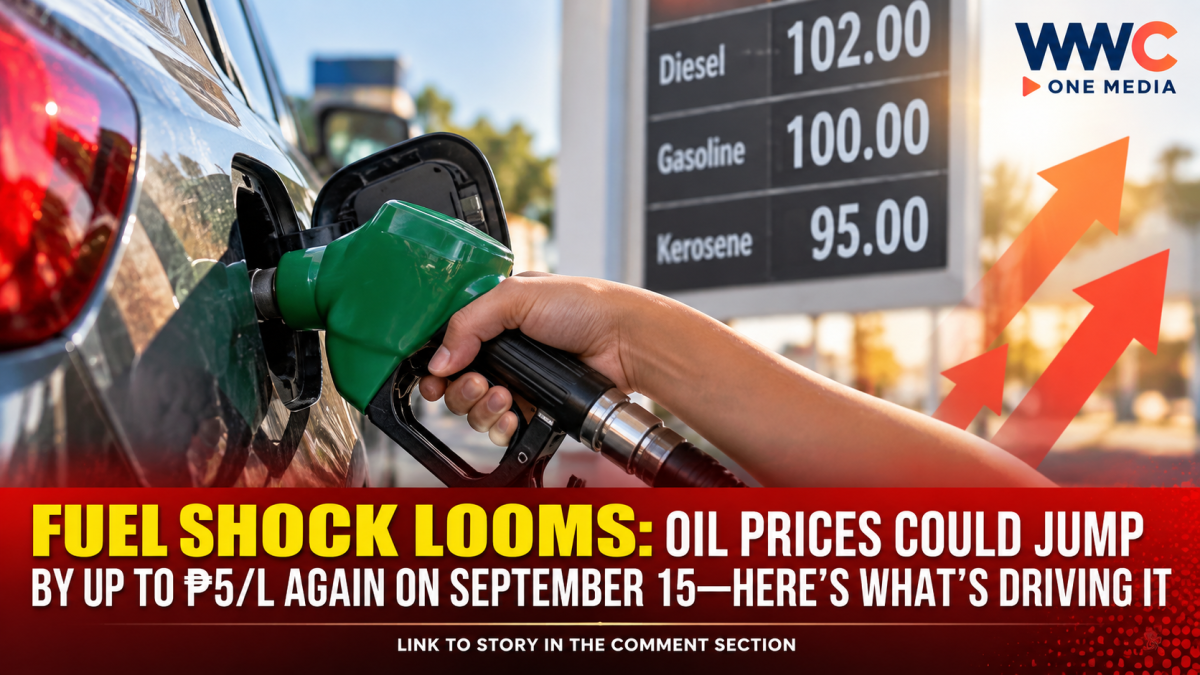
MANILA, Philippines — Filipino motorists may be in for another painful trip to the gas station as domestic fuel prices could rise by as much as ₱5 per liter on September 15, with diesel expected to bear much of the impact.
The projected increase, however, should not yet be treated as a final pump-price adjustment. Industry estimates released ahead of the September 15 pricing cycle pointed to a possible ₱4.50 to ₱5-per-liter increase for diesel and around ₱4 to ₱4.50 per liter for gasoline, based on movements in international oil prices and the peso-dollar exchange rate.
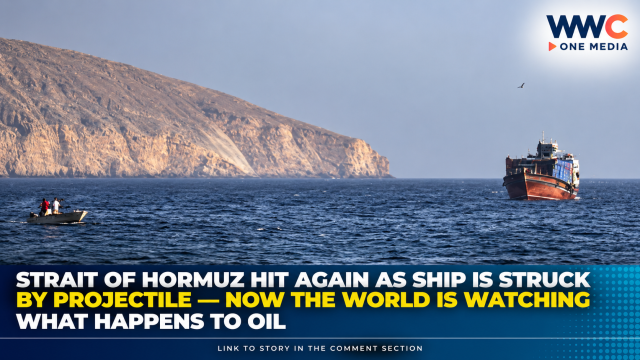
Jetti Petroleum president Leo Bellas said the potential increase was being driven by renewed hostilities involving the United States and Iran and concerns over disruptions to oil and fuel shipments through the Strait of Hormuz, one of the world’s most important energy routes.
Global fuel markets are also facing tighter diesel inventories and refinery disruptions, adding further pressure to prices in Asia.
The warning came just days before another major increase took effect on September 8.
Motorists already faced a major September 8 increase
The Department of Energy subsequently confirmed a substantial price hike effective September 8.
Gasoline increased by as much as ₱4.69 per liter, while diesel climbed by ₱5.18 per liter. Kerosene posted the biggest adjustment at ₱5.58 per liter.
Several oil companies implemented their increases beginning at 6 a.m. Tuesday.
The latest adjustments pushed pump prices in parts of Metro Manila beyond the ₱100-per-liter threshold, with some gasoline and diesel prices reaching roughly ₱102 per liter.
The DOE attributed the increase primarily to higher international oil prices caused by renewed tensions affecting energy flows in the Middle East. The weakening Philippine peso against the US dollar also added pressure because the country relies heavily on imported petroleum products.
Why September 15 is now being closely watched
The concern for motorists is that the September 8 increase may not be the last major adjustment.
International crude prices continued climbing toward the end of the week. By September 11, Brent crude was trading above $108 per barrel, while US West Texas Intermediate was above $103, as escalating attacks and disruptions along key Middle Eastern shipping routes intensified concerns about global supply.
The developments represent another major risk for countries such as the Philippines, which remains highly exposed to movements in international petroleum prices.
If the earlier industry projection holds, motorists could once again face increases of several pesos per liter when the next weekly adjustment takes effect on Tuesday, September 15.
Still, the exact amount will depend on international oil-price movements and foreign-exchange rates used for the DOE’s weekly price monitoring. The final adjustment should therefore be distinguished from the preliminary industry forecast.
Fuel prices have already crossed a painful threshold
The latest increases have brought fuel prices back above ₱100 per liter in some Metro Manila stations.
That creates a broader economic concern because higher diesel prices can increase transportation and logistics costs, eventually affecting the prices of food, deliveries and other goods.
Public transport operators are also directly exposed to fuel-price movements.
To help cushion the impact, the government has continued its fuel subsidy program for qualified public utility vehicle and UV Express drivers. Under the program, eligible drivers receive a ₱12-per-liter fuel discount, with savings of up to ₱1,800 per week.
Energy officials have also assured the public that domestic fuel inventories remain sufficient.
What motorists should watch next
For motorists, the key date is September 15—but the final number will only become clearer as the trading period progresses and the DOE and oil companies release their respective announcements.
The bigger question is whether the latest surge in international crude prices will translate into another sharp domestic adjustment—or whether prices will stabilize before the next calculation is completed.
For now, one thing is clear: the ₱100-per-liter fuel era has returned to parts of the Philippine market, and another increase could be waiting at the pump.

Leave a Reply