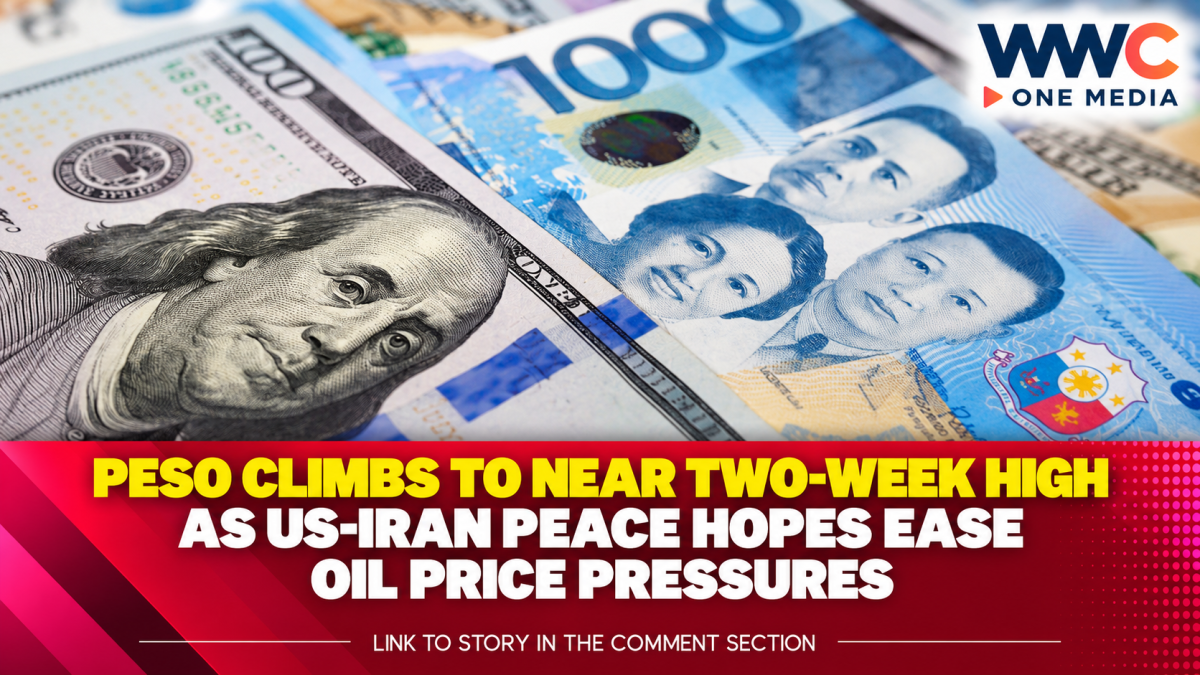
The Philippine peso strengthened to a near two-week high against the US dollar on Wednesday as renewed hopes for diplomatic progress between the United States and Iran helped push global crude oil prices lower.
The peso closed at P62.585 per dollar on September 23, gaining 14 centavos from its P62.725 finish on Tuesday. It opened at P62.49 and traded between P62.49 and P62.695 during the session.
The currency’s advance came as oil prices eased amid renewed diplomatic activity surrounding the US-Iran conflict. Lower crude prices can reduce pressure on countries such as the Philippines, which relies heavily on imported fuel, by limiting the cost of energy imports and helping contain inflationary pressures.
Market analysts also pointed to reports of discussions between Washington and Tehran on the sidelines of the United Nations General Assembly in New York. US special envoy Steve Witkoff said the two sides had completed a round of lengthy indirect talks through mediators.
Global crude prices had fallen to around two-week lows as markets assessed the possibility of further diplomatic progress and the potential reopening or restoration of energy routes affected by the conflict. Brent crude was hovering near $99 a barrel on Wednesday, according to market commentary cited by analysts.
The peso’s move also comes after a period of significant volatility. In July, the currency reached a record low of P61.847 per dollar as escalating tensions between the United States and Iran pushed crude prices higher and increased concerns about imported inflation.
Analysts have previously linked movements in the peso to developments in the Middle East because changes in global oil prices can affect the Philippines’ import bill, inflation outlook and demand for US dollars. Earlier episodes of stronger peso trading were likewise associated with improving US-Iran diplomatic prospects and falling crude prices.
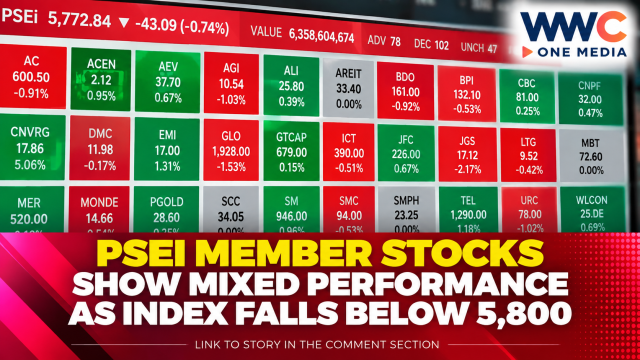
The Philippine currency’s latest gain came even as domestic economic concerns remained. The Philippine Stock Exchange index fell for a fourth consecutive session on Wednesday, with analysts citing persistent inflation and growth worries and higher local Treasury yields as factors weighing on investor sentiment.
For the peso, the next moves will remain closely tied to developments in the US-Iran conflict, oil prices and expectations for global interest rates. Any renewed escalation could put pressure on crude prices and the currency again, while sustained diplomatic progress could ease some of those external pressures.