
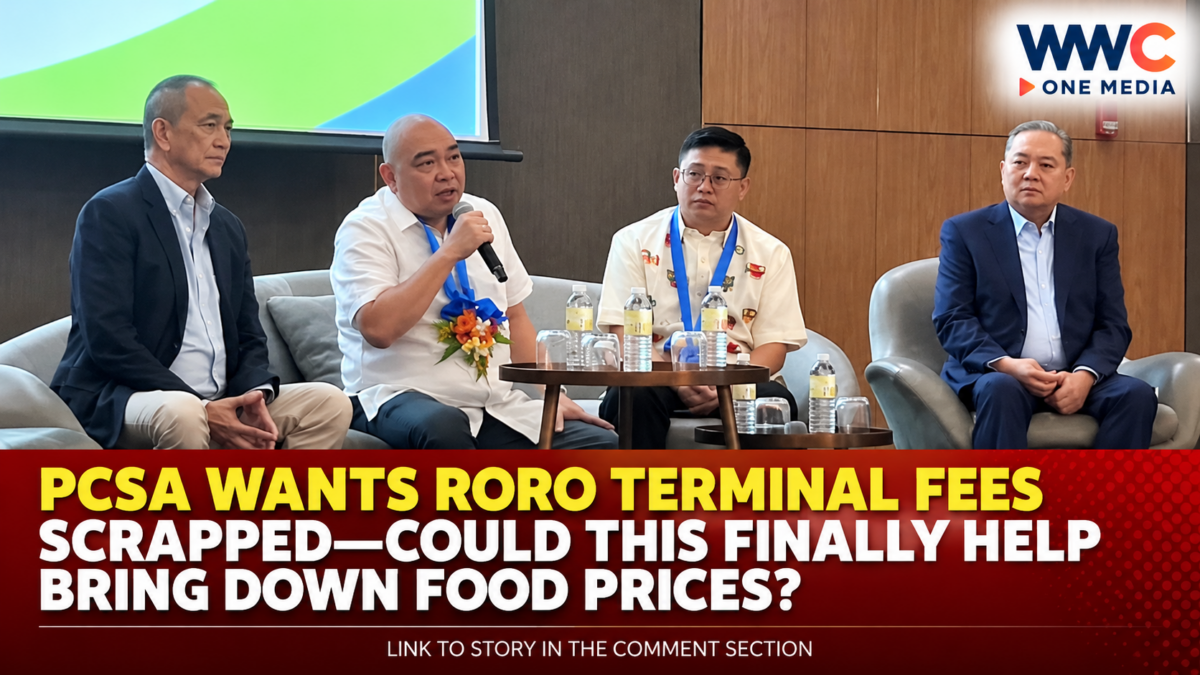
CEBU CITY, Philippines — The cost of transporting goods across the Philippines is back in the spotlight as a major domestic shipping industry group pushes for the removal of roll-on/roll-off (RoRo) terminal fees and the development of additional expressways in the Visayas and Mindanao.
The Philippine Coastwise Shipping Association (PCSA) is urging the national government to consider a broader transport infrastructure strategy, arguing that expensive logistics affect not only shipping operators but also businesses and ordinary Filipino consumers.
According to a report by SunStar Cebu published on October 23, 2026, PCSA chairman Lucio Lim Jr. called on the government to commission feasibility studies for eight proposed expressway corridors across the two regions.
The association also wants RoRo terminal fees abolished, saying these charges add to the cost of moving cargo between islands and can contribute to higher prices for essential goods.
The proposals come amid continuing concerns over fuel expenses, transportation efficiency, and the cost of doing business in the country.
Why the PCSA Wants RoRo Terminal Fees Removed
RoRo vessels provide a crucial link between road networks separated by water, allowing trucks and other wheeled vehicles to board ships and continue their journeys after reaching another island.
However, the PCSA argues that terminal fees add a significant expense to cargo transportation.
Lim estimated that RoRo terminal fees account for around 5% to 10% of the freight cost of a 10-wheel truck, with the share reportedly reaching as high as 15% on some short-haul routes.
For transport operators and businesses that regularly move agricultural products, construction materials, and other commodities, these charges can add up.
The PCSA argues that eliminating the fees could reduce logistics expenses and help businesses transport goods more efficiently.
The potential benefit for consumers, however, will depend on whether shipping companies, trucking operators, and suppliers pass those savings on through lower prices.
Food prices are also affected by fuel costs, weather conditions, supply availability, storage expenses, and other market factors. Removing terminal fees alone would not guarantee lower prices nationwide.
Eight Expressway Corridors Proposed for the Visayas and Mindanao
Aside from its call to eliminate RoRo terminal fees, the PCSA wants the government to study the feasibility of eight expressway corridors intended to improve connections between key cities and economic centers.
The proposed routes are:
- Cebu: Bogo City to Santander — approximately 230 kilometers.
- Panay: Caticlan, Aklan, to Iloilo City — approximately 214 kilometers.
- Negros: Bacolod City to Dumaguete City — approximately 216 kilometers.
- Oriental Mindoro: Calapan City to Roxas.
- Zamboanga Peninsula: Dapitan City to Zamboanga City.
- Masbate: Aroroy to Esperanza.
- Samar and Leyte: Allen, Samar, to Liloan, Southern Leyte.
- Mindanao: Surigao City to Davao City.
The proposed corridors range from approximately 121 to 406 kilometers, according to the SunStar Cebu report.
The association has suggested exploring public-private partnerships or multiyear congressional appropriations to finance the necessary feasibility studies and potential infrastructure development.
Such studies would need to evaluate construction costs, projected traffic, environmental considerations, engineering requirements, and the expected economic benefits before any project could proceed.
PCSA Wants RoRo Ports Treated as Highway Extensions
The association is also proposing a change in how certain RoRo facilities are managed.
It wants RoRo ports to be treated as extensions of the national highway network, with the management and maintenance of facilities outside Philippine Ports Authority and Cebu Port Authority base ports potentially transferred to the Department of Public Works and Highways.
The PCSA argues that RoRo facilities are essential links in the country’s transport system because they connect road routes across islands.
However, any restructuring would require government evaluation of the relevant responsibilities, funding arrangements, and operational requirements. The association’s proposal does not mean that a transfer has already been approved.
Government Has Already Introduced Targeted Shipping Relief
The PCSA’s latest appeal follows earlier government measures aimed at reducing transportation costs for selected shipping operators and agricultural cargo haulers.
In April 2026, the Presidential Communications Office announced measures that included reducing RoRo terminal fees to ₱1 for eligible vehicles transporting agricultural goods. The government also announced other forms of relief involving shipping regulations, port charges, and toll fees for qualifying cargo trucks.
The Philippine Coastwise Shipping Association had also called for wider implementation of port fee reductions, as reported by Cebu Daily News and The Freeman in April.
Those earlier measures were targeted relief initiatives and should not be confused with the PCSA’s latest, broader proposal to eliminate RoRo terminal fees.
The distinction matters: eligibility requirements and the duration of temporary measures determine which operators benefit, while a nationwide abolition would require a separate policy decision and arrangements for port funding and maintenance.
Will These Proposals Make Goods Cheaper?
The PCSA’s proposals raise an important question for consumers: could cheaper transportation help reduce the cost of everyday necessities?
If terminal charges are removed and expressway projects prove feasible, transport operators could potentially benefit from lower costs and more efficient journeys. Businesses moving goods between islands could also gain from improved road connections.
But the impact would depend on implementation, infrastructure costs, competition, and whether savings are passed on to consumers.
The government would also need to determine how to maintain RoRo facilities if terminal-fee revenue is reduced or eliminated, without simply transferring the financial burden to taxpayers or other users.
For now, the PCSA’s proposals remain calls for government consideration, not confirmed nationwide reforms.
The next key development will be whether authorities commission feasibility studies, formally evaluate the proposed expressway network, and announce concrete decisions on RoRo terminal fees.
For Filipino households already watching their budgets, the central issue is straightforward: if transportation costs fall, will the savings eventually reach public markets, grocery shelves, and construction projects?










