
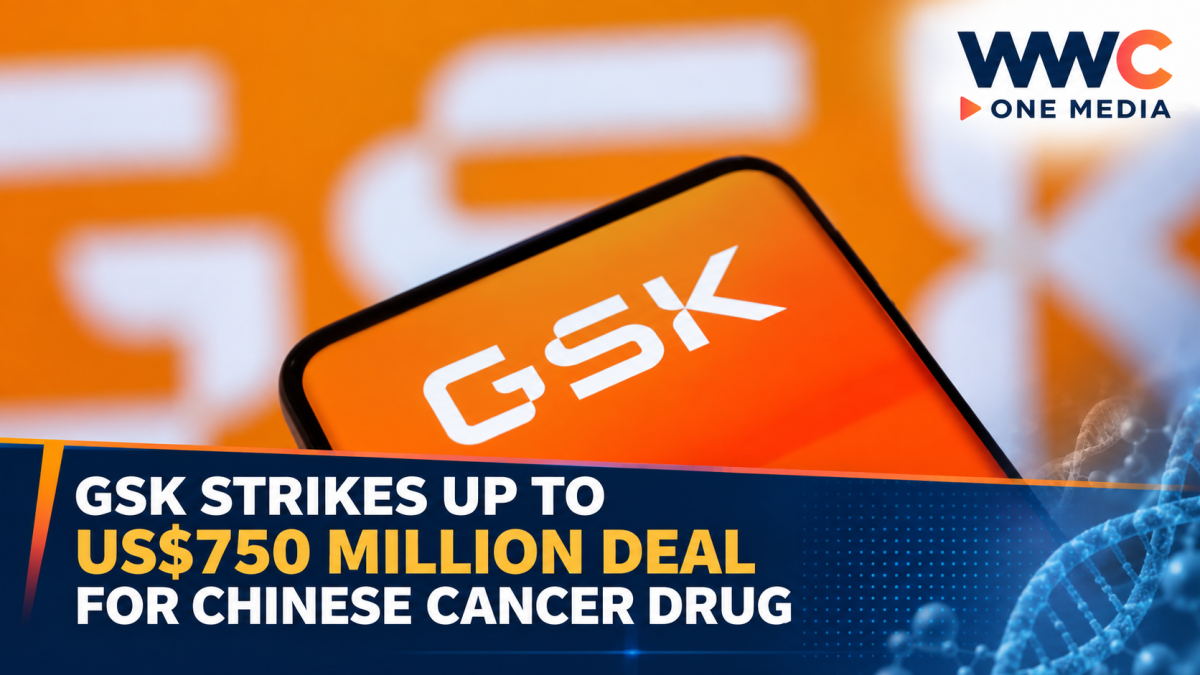
British pharmaceutical giant GSK has agreed to acquire global rights to a promising cancer drug from Chinese biotechnology company Chimagen Biosciences in a deal worth up to US$750 million.
The agreement covers a novel trispecific T-cell engager, or TCE, being developed by Chengdu-based Chimagen for the treatment of multiple myeloma, a type of blood cancer.
TCEs are designed to bring immune cells known as T cells into direct contact with cancer cells, helping the body’s immune system identify and attack malignant cells. Existing TCE treatments have shown effectiveness in multiple myeloma but can also cause significant side effects.
GSK said Chimagen’s programme has shown potential for improved tolerability and more durable treatment results. The drug is expected to enter Phase 1 clinical trials in 2027.
Under the agreement, GSK will receive full global rights to develop and commercialise the TCE assets. Financial terms include an undisclosed upfront payment, followed by additional payments tied to successful development and commercialisation, with the total value potentially reaching US$750 million.
The deal adds another experimental cancer therapy to GSK’s growing oncology pipeline as the company expands its focus on treatments that use the immune system to target cancer.
It also highlights the increasing role of Chinese biotechnology companies in global drug development. International pharmaceutical companies have entered a growing number of licensing agreements with Chinese firms in recent years, particularly in oncology and other areas of innovative medicine.
For Chinese biotech companies, such partnerships can provide access to international development expertise, funding and global commercial networks. For multinational pharmaceutical companies, licensing programmes developed in China offers access to an expanding pool of experimental therapies.
Chimagen’s TCE remains an investigational treatment and will need to undergo clinical trials and regulatory reviews before its safety and effectiveness can be established.
The agreement nevertheless reflects the growing international interest in China’s biotechnology sector and the increasing number of Chinese-developed medicines being considered for global development.



Leave a Reply