
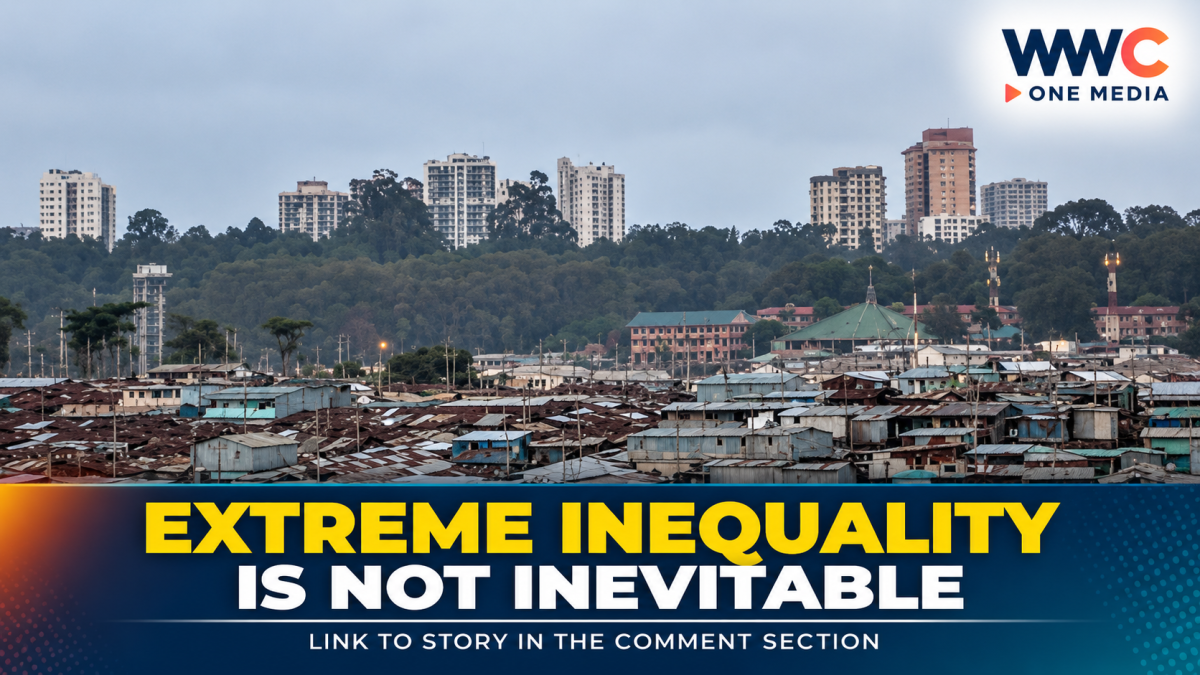
Extreme economic inequality is often treated as an unavoidable feature of modern economies, but Nobel Prize-winning economist Joseph E. Stiglitz argues that it is largely shaped by policy choices and the way societies structure their economies.
In his latest commentary, Stiglitz examines the widening gap between wealthy and poorer groups and challenges the idea that large disparities in income and wealth are simply the natural outcome of economic forces.
He argues that governments influence inequality through decisions involving taxation, public spending, labour protections, education, healthcare and access to economic opportunities. These choices can affect how the benefits of economic growth are distributed across society.
Stiglitz also points to the importance of distinguishing between inequality that results from differences in skills or effort and inequality created by unequal access to opportunities and resources. When wealth and economic power become highly concentrated, he argues, the resulting disparities can become self-reinforcing.
The debate is particularly significant as many countries face slower economic growth, rising living costs and pressure on public finances. Households with fewer resources can be more vulnerable to increases in housing, food, healthcare and education costs, while those with substantial assets may be better positioned to benefit from economic growth.
According to Stiglitz, addressing inequality does not necessarily require choosing between fairness and economic development. Policies that expand access to education, strengthen social protection and improve opportunities for lower- and middle-income households can also support broader economic participation.
He also calls for better measurement of inequality so that governments and international institutions can more clearly track changes in income and wealth distribution. Reliable data, he argues, can help policymakers understand whether economic gains are reaching a broad share of the population.
The broader argument is that inequality should be viewed as an economic and policy issue rather than as an outcome that governments have no ability to influence. Different policy choices can produce different distributions of income, wealth and opportunity.
For Stiglitz, reducing extreme disparities therefore depends on decisions about how economies are organised and how the gains from growth are shared. The challenge for policymakers is to balance economic dynamism with wider access to opportunities and the resources needed for people to improve their living standards.



Leave a Reply