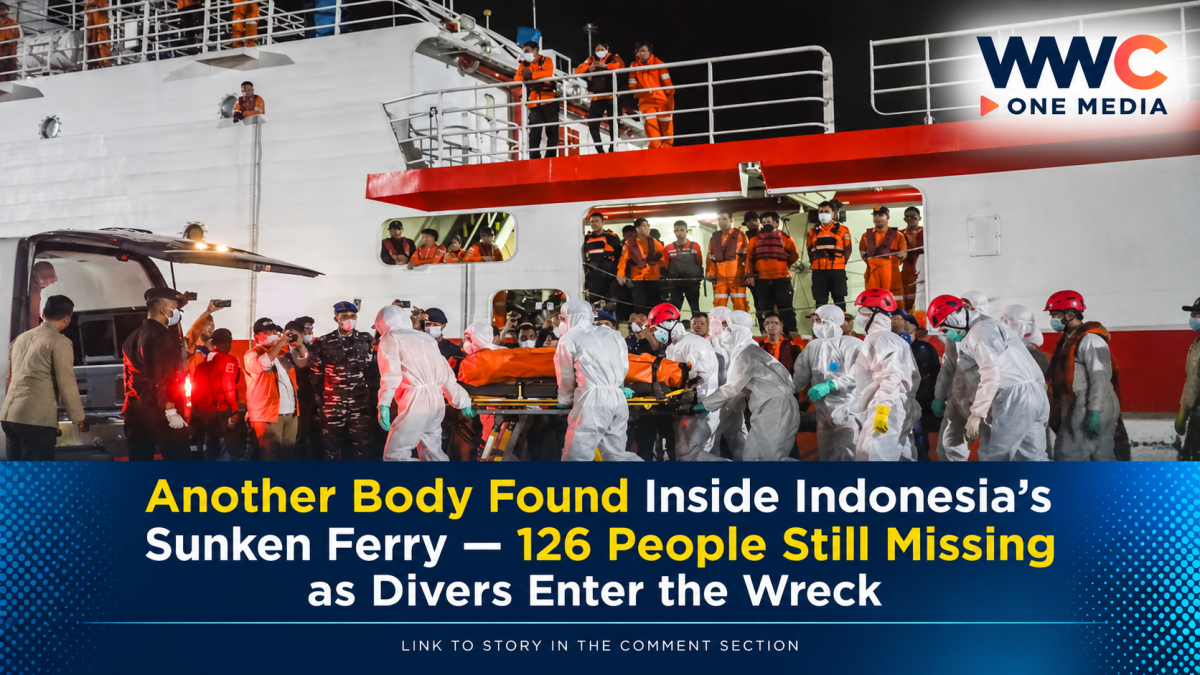
JAKARTA — Indonesia’s search-and-rescue teams have recovered another victim from the wreckage of a passenger ferry that capsized and sank in the Java Sea, as divers push deeper into the vessel in a desperate effort to locate dozens of people still missing.
The latest victim was found inside the hull of the Virgo Transport 8 on Sunday, Sept. 20, according to Indonesia’s National Search and Rescue Agency, known as Basarnas.
Divers located the victim while searching the submerged vessel. The body is expected to be transported by air for identification.
The recovery comes as authorities extend the search operation for another week, confronting the difficult task of entering and eventually righting the overturned ship.
As of the latest official figures, 126 people remain unaccounted for, while more than 100 people have survived and 10 deaths have now been confirmed, according to the latest reporting from The Straits Times based on the rescue agency’s updates.
The numbers remain subject to change as recovered victims are formally identified and authorities reconcile the passenger manifest.
Ferry Capsized During Severe Weather
The Virgo Transport 8 was carrying 243 people — 213 passengers and 30 crew members — when it capsized early Sept. 13 while traveling from Surabaya in East Java to Banjarmasin in South Kalimantan.
The vessel encountered severe weather in the Java Sea, with waves reported to have reached roughly 3 meters.
Authorities subsequently lost contact with the ship before discovering that it had overturned in the Masalembo waters.
The ferry was also carrying 89 vehicles, according to AP.
The ship, approximately 119 meters long, was built in Japan in 1987 and had been operating in Indonesia after previously serving in Japan.
Divers Finally Reach the Wreck
For several days, rough seas, strong winds and powerful currents severely restricted underwater operations.
That changed as weather conditions improved.
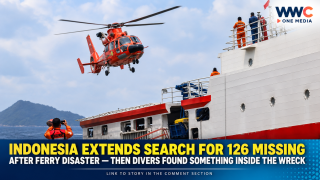
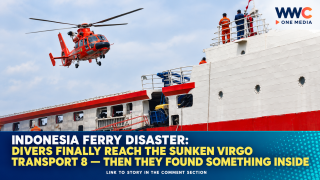
Indonesian Navy divers and specialist rescue personnel were eventually able to reach the overturned ferry, allowing teams to begin entering sections of the vessel.
AP reported that a team of 17 divers entered the wreck after guide ropes were installed, while rescuers broke through a window to gain access to the interior.
The latest recovery shows why the underwater operation is so important.
The vessel itself may contain victims who could not be located during surface searches.
On Sunday, Indonesian media reported that six Basarnas divers entered the wreck as the recovery operation continued.
The Ship Is Sitting Upside Down on the Seabed
The wreckage is making the operation considerably more complicated.
According to AP, the ferry drifted approximately 453 meters from its initial sinking position before settling upside down on the seabed at a depth of roughly 29 meters.
Its stern is embedded in the sea floor, while portions of the bow remain closer to the surface.
That position creates a difficult environment for divers.
Teams have to work around the overturned structure while dealing with limited visibility, confined spaces and the possibility of unstable sections inside the ship.
The authorities are therefore preparing a much larger salvage operation rather than relying solely on divers to search the vessel.
Indonesia Extends the Search
With so many people still missing, authorities decided to extend the official search and recovery operation by another seven days.
The decision reflects both the scale of the disaster and the complexity of recovering the vessel.
Officials said the operation to right the ferry is expected to take time, making the recovery of additional victims a prolonged process.
The Jakarta Post reported that three bodies had already been recovered from the submerged ship on Friday, bringing the confirmed death toll at that point to nine.
The latest recovery subsequently pushed the confirmed toll to 10.
More Than 100 People Have Survived
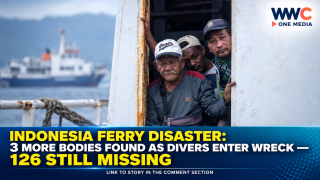
Despite the scale of the accident, more than 100 people were rescued.
Earlier rescue operations recovered 108 survivors, according to AP, while subsequent official updates have described more than 100 people as having survived.
Those survivors were found after the ferry capsized and during the initial search operation.
The early rescue effort was complicated by weather conditions that prevented specialists from immediately entering the overturned ship.
Rescue teams instead had to rely heavily on vessels, aircraft and surface searches while waiting for conditions to improve.
A Search Against Time
The recovery operation is now shifting from a conventional rescue mission toward a complex underwater search and salvage effort.
That distinction matters.
When a vessel remains intact but overturned on the seabed, rescuers must search cabins, corridors and other enclosed spaces while ensuring that divers can safely enter and exit the wreck.
Authorities must also account for the ship’s movement and the surrounding underwater conditions.
The decision to extend the operation suggests officials believe there remains enough uncertainty around the fate and location of the missing passengers to justify continued recovery efforts.
What Caused the Ferry to Capsize?
The precise cause of the accident has not yet been conclusively established.
Authorities have said that bad weather, strong winds, high waves and currents were present when the ferry encountered trouble.
The captain reportedly issued a distress call after the vessel began experiencing difficulties in rough seas.
AP reported that the captain said the vessel was listing while waves reached approximately three meters.
However, determining exactly why the ship capsized will require a formal investigation.
Weather conditions alone do not establish the complete cause of a maritime disaster.
Investigators will ultimately need to examine the vessel, its stability, loading, operating condition, navigation records, weather conditions and crew actions.
Passenger Numbers Are Also Being Carefully Checked
Another challenge for Indonesian authorities is establishing the exact status of everyone who was aboard.
The official manifest lists 243 people, comprising 213 passengers and 30 crew.
AP noted that passenger totals can sometimes differ from initial records in Indonesian maritime accidents, making the reconciliation of manifests and survivor lists an important part of the ongoing operation.
That is why the number of missing people may be revised as authorities continue identifying survivors and recovered victims.
Families are also waiting for definitive identification of those recovered from the wreck.
The Disaster Highlights Indonesia’s Maritime Risks
The accident is drawing renewed attention to maritime safety in Indonesia, an archipelago where ferries are an essential form of transportation.
Indonesia consists of thousands of islands, making passenger ships vital for connecting communities and major cities.
But the country’s maritime sector has also experienced repeated accidents.
AP noted that maritime disasters occur regularly in Indonesia, with questions about safety enforcement frequently arising after major incidents.
That does not establish that safety violations caused the Virgo Transport 8 disaster.
The cause remains under investigation.
But the latest accident is likely to renew scrutiny of ferry safety standards, weather monitoring, passenger manifests, emergency procedures and the ability of rescue teams to respond quickly when ships capsize.
The Next Phase Could Be the Most Difficult
Finding the wreck was only the beginning.
The far more difficult task is now unfolding beneath the Java Sea.
Divers have entered the overturned ship and recovered victims from inside the hull. Authorities are preparing to continue underwater searches while working toward a larger salvage operation.
With 126 people still reported missing, every recovery operation carries enormous importance for families waiting for answers.
The latest victim recovery demonstrates that the wreck may still contain people who have not yet been accounted for.
And as divers move deeper into the ferry, the coming days could determine how much more of the disaster’s human toll can be recovered and identified.
For now, the search continues.
The ship has been found. But for hundreds of families, the wait for answers is not over.