
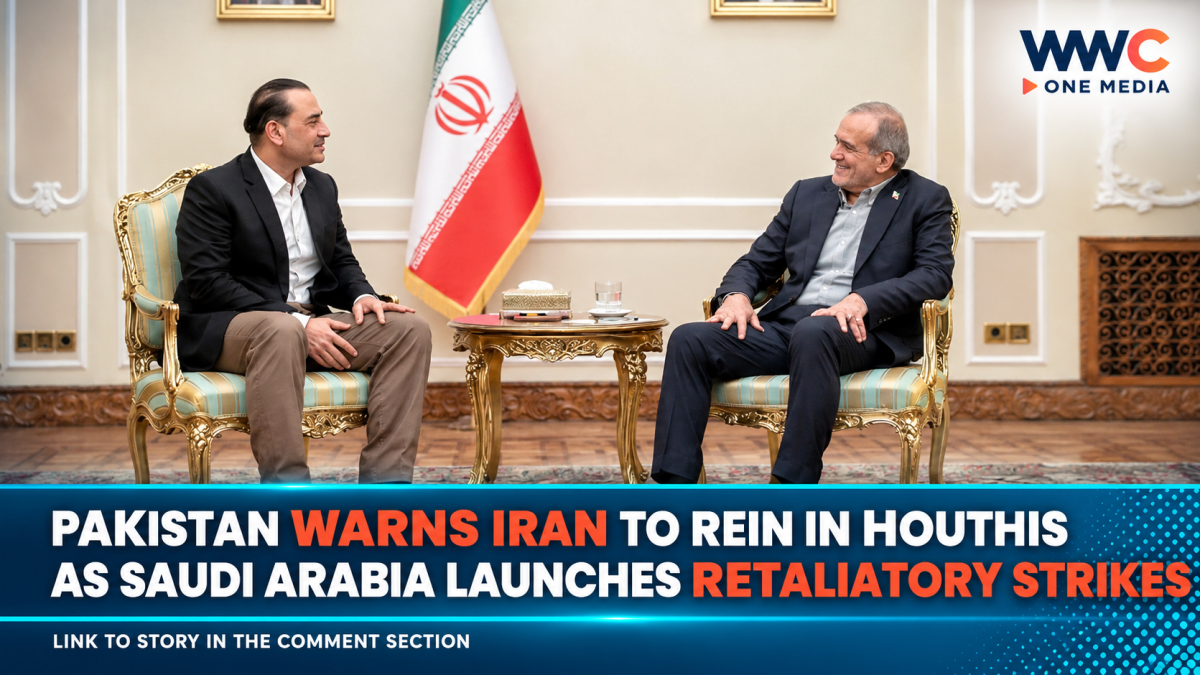
RIYADH — Pakistan has delivered a warning to Iran to rein in its Houthi allies after the Yemeni group stepped up attacks on Saudi Arabia, as Riyadh launched a major retaliatory air campaign and fears grew that the conflict could spiral into a wider regional crisis.
The diplomatic intervention comes after the Iran-aligned Houthis launched one of their biggest attacks on Saudi Arabia in years, targeting an airbase and oil infrastructure and wounding 73 people, according to sources and reports cited by Reuters.
Pakistan Delivers Warning to Tehran
Pakistan, which has spent years balancing its relations with both Saudi Arabia and Iran, has now urged Tehran to use its influence to curb the Houthis and prevent the conflict from expanding further.
The warning carries particular weight because Pakistan is part of a defence arrangement involving Saudi Arabia and Turkey, according to Reuters.
Pakistani officials stressed that Islamabad’s potential military role would be limited to defending Saudi territory. However, Defence Minister Khawaja Asif said that attacks spilling into Saudi Arabia could trigger a broader joint security response.
He said unprovoked aggression against one of the countries could activate the arrangement involving Riyadh, Ankara and Islamabad.
Houthis Hit Saudi Airbase and Oil Infrastructure
The Houthi attacks targeted an airbase in Khamis Mushait and oil-related infrastructure in nearby Saudi cities, marking a major escalation in the cross-border conflict.
The attacks wounded 73 people, Reuters reported, making them among the most significant assaults on Saudi territory since the wider US-Iran conflict began earlier this year.
The Houthis, who control large parts of Yemen and are widely regarded as aligned with Iran, have increasingly emerged as a major force in the broader regional crisis.
The group has also threatened Saudi shipping and energy infrastructure, raising fresh concerns over global oil supplies and key maritime trade routes.
Riyadh Strikes Back
Saudi Arabia responded with a wave of airstrikes across Houthi-controlled areas of Yemen.
Houthi military spokesman Yahya Saree said Saudi warplanes carried out dozens of strikes across several Yemeni provinces within a 12-hour period.
Other reports said Saudi-led forces launched more than 30 strikes following the attacks on Saudi territory.
The Houthis vowed that the Saudi attacks would not go unanswered.
That has raised fears that the latest confrontation could drag the region back towards a larger and more destructive war.
Fears of a Wider Proxy War
The crisis is particularly dangerous because it is unfolding alongside the ongoing confrontation between the United States and Iran.
Reuters reported that Iran and the US have been engaged in escalating attacks involving shipping and maritime interests in the Gulf, while the Houthi conflict threatens another major route for global energy supplies.
Analysts and officials fear that the situation could evolve from a proxy conflict into a broader regional security crisis.
Pakistan’s intervention appears aimed at preventing precisely that scenario.
The message to Tehran is increasingly clear: if the Houthis continue escalating attacks against Saudi Arabia, the consequences could extend far beyond Yemen.
Oil Markets Feel the Pressure
The renewed attacks have added to growing concerns over the security of global energy supplies.
The Middle East crisis has already disrupted shipping routes and heightened risks around key waterways, while Houthi threats against Saudi oil infrastructure could put additional pressure on energy markets.
Brent crude has surged above US$100 a barrel amid fears that prolonged conflict could disrupt supplies through both the Gulf and Red Sea regions.
For global markets, the growing conflict means the Middle East is now facing pressure on multiple fronts.
Pakistan Tries to Avoid Being Pulled Into War
Despite its strong defence ties with Saudi Arabia, Pakistan has sought to avoid becoming directly involved in a wider Iran conflict.
Islamabad has repeatedly emphasised the need for diplomacy and restraint while maintaining its security commitments to Riyadh.
But the latest Houthi attacks have made that balancing act increasingly difficult.
If attacks continue to strike Saudi territory, Pakistan could face growing pressure to activate its defence commitments — potentially bringing another major military power closer to the conflict.
The Bottom Line
Pakistan has warned Iran to rein in the Houthis as Saudi Arabia launches retaliatory strikes following a major attack that wounded 73 people and targeted military and oil infrastructure.
The crisis is no longer just about Yemen.
With Pakistan, Saudi Arabia and Turkey strengthening security coordination, Iran facing pressure from the US, and the Houthis threatening vital energy infrastructure and shipping routes, the conflict is expanding into a dangerous regional confrontation.
The biggest question now is whether Tehran can — or will — restrain the Houthis before another proxy conflict turns into a much wider Middle East war.
WWC ONE MEDIA J.M.D




Leave a Reply