MANILA, Philippines — November 12, 2026
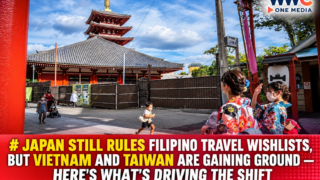
Filipinos planning their year-end holidays are increasingly looking beyond traditional vacation destinations, with Japan, Vietnam and Taiwan emerging as popular choices for travelers seeking cooler weather, outdoor adventures and memorable experiences.
New booking insights from travel platform Klook show that Japan remains a major attraction for Filipinos, while northern Vietnam is gaining momentum as an alternative destination for those looking to escape the tropical heat.
Taiwan is also drawing attention through its hot springs, mountain attractions and outdoor experiences, reflecting a broader shift in how Filipinos are planning their international vacations.
The findings, reported by Philstar.com on November 11, point to an increasingly experience-driven travel market in which destinations are attracting visitors through more than shopping and sightseeing.
But international trips are only part of the story. Concert tourism, local staycations and domestic island destinations are also influencing Filipino travel decisions as the holiday season approaches.
Japan Remains a Favorite for Filipinos Seeking Cooler Weather
Japan continues to attract Filipino travelers, particularly those looking to experience colder temperatures during the country’s winter season.
According to Klook’s booking data, approximately one in five Filipino travelers chooses Japan for its cooler weather.
Destinations across the country offer different seasonal experiences, from winter landscapes and mountain activities to traditional neighborhoods, food destinations and cultural attractions.
Beyond Tokyo and Osaka, travelers can explore destinations such as Hokkaido for winter scenery and snow-related activities.
Japan’s appeal also extends to travelers interested in experiencing traditional Japanese culture, seasonal food and distinctive local attractions.
Its established tourism infrastructure and variety of travel experiences continue to make it an attractive destination for Filipino vacationers.
Northern Vietnam Gains Attention as an Alternative Winter Destination
While Japan remains a familiar choice, northern Vietnam is becoming increasingly attractive to Filipino travelers.
Klook identified Hanoi, Ha Long and Sapa among the Vietnamese destinations drawing significant booking interest.
Each location offers a different experience.
Hanoi provides a combination of historic landmarks, street food, cultural attractions and urban experiences.
Ha Long is known for its spectacular limestone formations and scenic bay cruises.
Sapa, meanwhile, attracts visitors with its mountainous landscapes, village experiences and cooler climate.
Interest is also growing in activities such as alpine coasters, cable car rides and local village tours.
These experiences provide travelers with opportunities to explore Vietnam beyond its major cities.
The country’s combination of natural scenery, cultural attractions and regional accessibility makes it an increasingly interesting option for Filipinos considering an international holiday.
Taiwan Attracts Travelers With Hot Springs and Mountain Adventures
Taiwan is another destination gaining attention among Filipino travelers.
Rather than focusing exclusively on shopping and city attractions, visitors are increasingly exploring outdoor experiences and seasonal activities.
Beitou is particularly known for its hot spring attractions, making it an appealing destination for travelers seeking relaxation.
Taichung offers a mixture of urban attractions, food experiences and access to scenic locations.
Taroko Gorge is recognized for its dramatic mountain landscapes and hiking opportunities, although travelers should always check current access restrictions and safety advisories before visiting.
The growing interest in these destinations suggests that Filipino travelers are increasingly looking for experiences that combine relaxation, adventure and cultural discovery.
Taiwan’s expanding flight connections also provide additional opportunities for travelers interested in exploring areas beyond Taipei.
Concert Tourism Is Changing How Filipinos Travel Abroad
International concerts are becoming another important reason Filipinos travel overseas.
According to Klook’s Travel Pulse 2026 findings, 90% of Filipino travelers who travel abroad for concerts extend their trips to explore the destination.
Of those travelers, 78% stay for up to four additional days.
The findings highlight how major entertainment events can encourage visitors to spend more time exploring a destination instead of returning home immediately after a concert.
Singapore is one example, with Filipino fans expected to travel for BTS performances while also taking advantage of the city’s attractions and tourism experiences.
For hotels, restaurants, transportation providers and tourism businesses, this creates opportunities to attract visitors beyond the dates of major entertainment events.
The trend also shows how entertainment, tourism and travel planning are becoming increasingly connected.
Metro Manila Staycations Also Gain Momentum
Despite the growing interest in overseas destinations, many Filipinos are also considering shorter holidays closer to home.
Klook’s booking data showed that accommodation and short-term stay bookings in Manila increased by 46.5%.
This indicates continued interest in local getaways, particularly among travelers who want to enjoy a break without arranging an international flight.
Meanwhile, island destinations such as Boracay and Cebu continue attracting visitors despite the traditionally quieter travel period.
The figures suggest that Filipino travelers are not choosing between international and domestic holidays exclusively.
Instead, some are combining overseas trips with shorter local vacations and staycations throughout the year.
More Asian Destinations Are Competing for Filipino Travelers
The growing interest in Japan, Vietnam and Taiwan also reflects broader changes in regional travel preferences.
WWC One Media previously reported on the increasing interest in Vietnam and China among Filipino travelers, highlighting how affordability, accessibility and changing travel preferences are influencing destination choices.
Vietnam, in particular, is becoming an important destination to watch as airlines and tourism operators expand regional travel opportunities.
Air connectivity is also playing a significant role in making less familiar destinations more accessible.
AirAsia Philippines’ expansion of its Manila–Kaohsiung service to daily flights is another development that could encourage Filipinos to explore southern Taiwan.
Meanwhile, new direct Cebu–Vietnam routes are creating additional opportunities for travelers outside Metro Manila.
These developments are expanding the range of international travel options available to Filipino passengers.
What Filipino Travelers Should Consider Before Booking
With the holiday season approaching, travelers should consider several factors before committing to an international vacation.
1. Compare the total travel cost.
Airfare is only one part of an overseas travel budget. Accommodation, transportation, food, attraction tickets, insurance and baggage fees should also be considered.
2. Check seasonal weather conditions.
Japan and northern Vietnam can experience significantly colder temperatures during the year-end season. Appropriate clothing and preparation are important.
3. Review entry and visa requirements.
Travelers should verify current passport, visa and immigration requirements through official government sources before departure.
4. Book transportation and accommodations early.
Popular holiday periods can increase demand for flights and hotels. Comparing several booking dates and accommodation options may help travelers find suitable arrangements.
5. Look beyond popular tourist cities.
Secondary destinations can provide different cultural and outdoor experiences. However, travelers should consider transportation accessibility, safety and available facilities.
The Bigger Picture: Filipinos Want More From Their Holidays
The latest Klook findings suggest that Filipino travel preferences are evolving.
Japan remains an established favorite, northern Vietnam is gaining attention, and Taiwan is attracting travelers interested in outdoor activities and relaxation.
At the same time, concerts are encouraging longer overseas stays, while local accommodation bookings show that domestic travel remains an important part of the holiday market.
For the Philippine tourism and aviation industries, these developments present opportunities to improve travel connections, develop competitive packages and attract visitors through more diverse experiences.
The coming holiday season could reveal even more about how Filipinos balance international adventures with local vacations.
One thing is becoming increasingly clear: Filipinos are not just choosing where to travel. They are choosing the experiences they want to bring home.