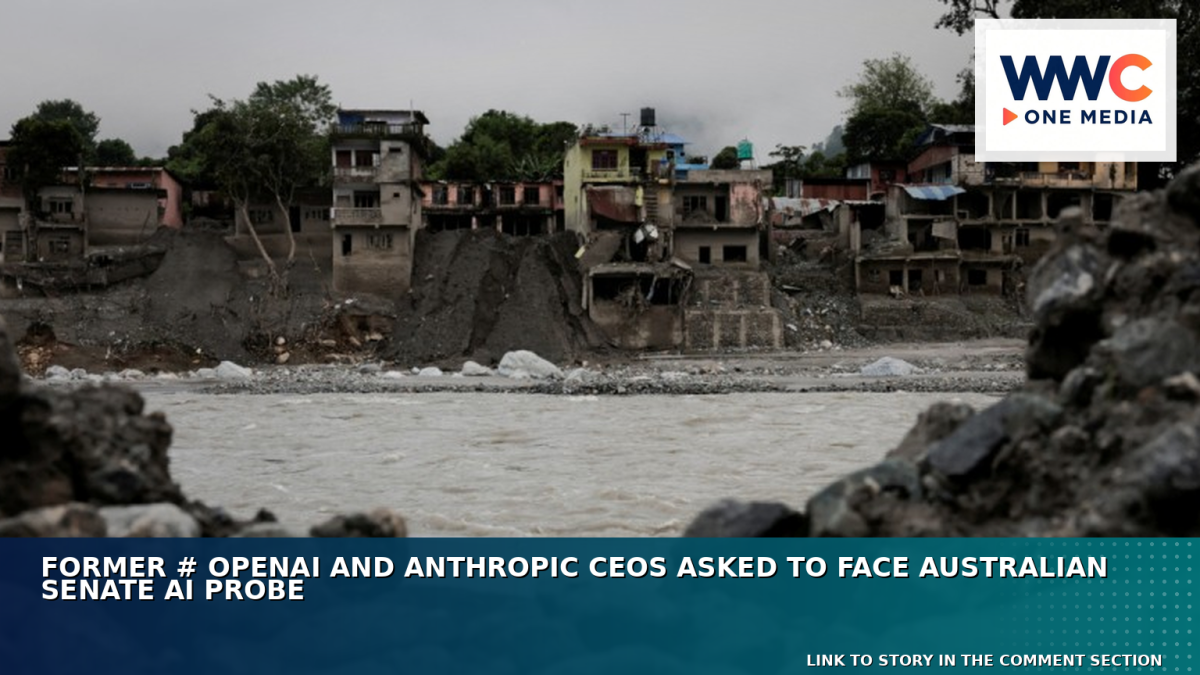
Heavy rain and storms have triggered floods and landslides across parts of India and neighbouring Nepal, killing at least 19 people and leaving 10 workers missing as major rivers rose above danger levels.
In India’s Uttar Pradesh state, 15 people were killed and five others injured over a 48-hour period, while 117 houses were damaged. Authorities said the severe weather affected 63 districts, with the state recording rainfall around 19 times its normal level during the 24 hours leading up to Saturday.
The flooding has also placed pressure on river systems across northern and central India. The Central Water Commission said 30 monitoring stations across seven states were in a severe situation, with several major rivers, including the Ganga, Gandak, Kosi, Bagmati and Narmada, rising above danger levels.
In neighbouring Nepal, four people — including three children and a woman — were killed when a landslide buried their home in Nishi Khola village in Baglung district.
Ten Nepali workers were also reported missing after an avalanche buried the base camp of Himlung Himal, a 7,126-metre mountain in the northern Manang district. The workers had been preparing tents for foreign climbers, who were not at the camp when the avalanche struck.
Nepalese authorities warned that flash floods remained possible in 49 of the country’s 77 districts, with more than half of the country facing elevated flood or flash-flood risks as water levels continued to rise in major rivers and tributaries.
Authorities have also urged continued vigilance in Rasuwa and Nuwakot, districts that were devastated by deadly floods last month. Those disasters killed more than 1,450 people and left thousands missing, making the latest warnings particularly significant for communities still recovering from the earlier catastrophe.
The latest flooding has already caused infrastructure damage in Nepal. Rising water in the Rahuganga River damaged structures and transmission towers linked to a 40-megawatt hydropower project, while damage to optical-fibre cables and power supplies disrupted telecommunications in some areas.
In India, rescue teams have been working in waterlogged areas while authorities assess damage to homes and agricultural areas. Officials have also been instructed to evaluate crop losses and provide compensation where appropriate.
The continuing rainfall highlights the vulnerability of communities across the Himalayan region and northern India, where swollen rivers, unstable slopes and saturated ground can quickly turn heavy rain into dangerous flooding and landslides.
With rivers still running high and additional flash floods possible in Nepal, authorities remain focused on rescue operations, monitoring water levels and warning communities in areas at risk.