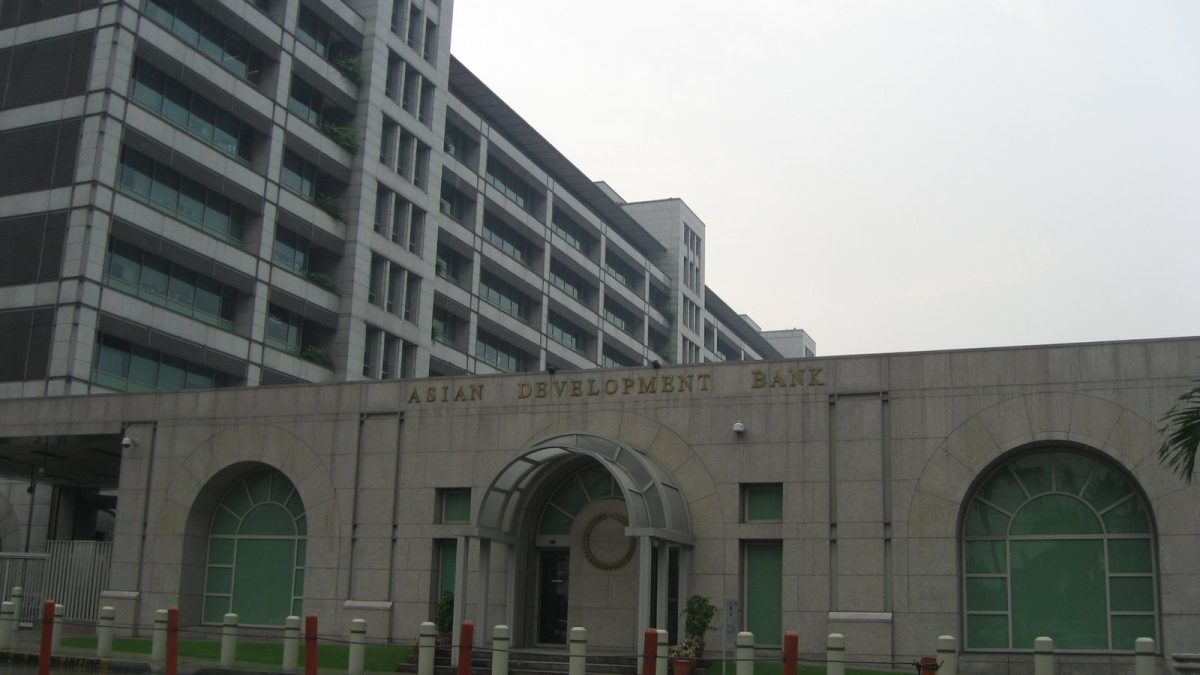
The Asian Development Bank (ADB) on Thursday, 24 September 2026, approved $1.5 billion in financing to help the Philippines protect households from rising prices and keep essential public services running as the Middle East conflict strains the economy. The Manila-based lender said the money will support the government’s Unified Package for Livelihoods, Industry, Food, and Transport (UPLIFT), according to an ADB news release.
The package is designed to help the government secure fuel supplies, keep power, health care, food and medicines affordable, and assist overseas Filipino workers (OFWs) forced to come home, the bank said. Follow more stories like this on our business hub and Philippines hub.
Key takeaways
- ADB approved $1.5 billion for the Philippines on 24 September through its Countercyclical Support Facility.
- The funds back UPLIFT measures such as fare discounts, fuel and fertilizer subsidies, medical relief and cash aid.
- Support also covers repatriation and reintegration help for OFWs affected by the Middle East conflict.
What the money will pay for
The financing is delivered through ADB’s Assistance for Greater Resilience and Alleviation of Poverty program and comes from the Countercyclical Support Facility, which the bank describes as its region-wide crisis financing mechanism. It will help fund UPLIFT, the government’s whole-of-government response to the energy shock.
According to ADB, the government’s measures include fare discounts, subsidies for provincial and small electric cooperatives, and fuel and fertilizer subsidies. Medical relief packages and cash assistance are aimed at poor and vulnerable households, public transport operators and drivers, small-scale farmers and fisherfolk. The Philippine Star reported the same breakdown and noted that UPLIFT targets low-income Filipinos hit by fuel price increases linked to the conflict.
“Every week this crisis continues to ask more of people who have little left to give,” ADB President Masato Kanda said in the release. “With this financing, we are backing the Philippines’ determination to keep its people secure and its future within its own hands.”
Why the Philippines is so exposed
ADB said the Philippines imports nearly all of its fuel and relies heavily on imported fertilizer, leaving it vulnerable to sharp swings in global prices. Oil makes up about a third of the country’s primary energy supply, and most of it comes from the Middle East. A significant share of fertilizer imports also comes directly or indirectly from the region, which raises the cost of growing rice and other crops when prices spike.
The labour link is just as important. About 1.1 million Filipino workers were deployed to the Middle East in 2025, and they sent home about 18% of the country’s $35.6 billion in total remittances that year, ADB said. The bank added that deployment to the region has fallen substantially this year because of the conflict, which puts pressure on families that depend on those earnings.
Part of a wider ADB crisis response
The approval builds on earlier ADB support. The bank said it had previously provided about $500 million to help Southeast Asian economies cope with the impact of the Middle East conflict.
For the Philippines specifically, The Philippine Star reported that Kanda had offered $1.75 billion in additional support to President Ferdinand Marcos Jr. in May. The newspaper also said ADB last month raised its loan for the Build Universal Health Care Program Subprogram 3 by $250 million, bringing that financing to $750 million.
What it means for businesses and households
For transport operators, farmers and fishing communities, the loan helps keep subsidy and discount programs funded at a time when fuel costs are squeezing margins. For the wider economy, fast-disbursing budget support from a multilateral lender eases pressure on public finances as the government tries to cushion consumers without cutting essential services.
The Philippine Star also reported that the Department of Finance has endorsed suspending the excise tax on liquefied petroleum gas and kerosene, but not on diesel and gasoline, as the government looks for other ways to soften the impact of high fuel prices.